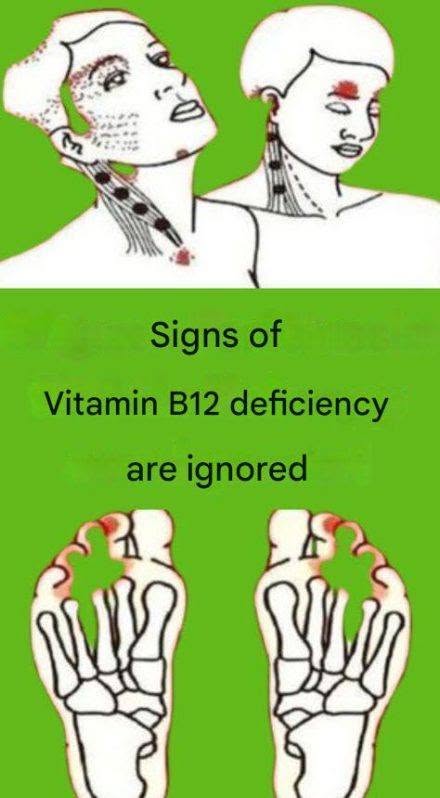
Vitamin B12 deficiency can develop gradually, and some symptoms may be mistaken for stress, aging, or other health issues. Because B12 is important for red blood cell production, nerve function, and DNA formation, a deficiency can affect many parts of the body.
Common signs that may be overlooked include:
- Persistent tiredness or weakness — especially if it feels unusual or doesn’t improve with rest
- Tingling, numbness, or “pins and needles” in the hands or feet
- Balance problems or difficulty walking due to nerve effects
- Memory problems, trouble concentrating, or mental fog
- Mood changes such as irritability, low mood, or anxiety
- Pale skin or a yellowish tint (in some cases) due to changes in red blood cells
- Sore, red, or swollen tongue (glossitis)
- Reduced appetite or unexplained weight loss
- Shortness of breath or dizziness from anemia
- Vision changes in rare cases due to nerve involvement
People at higher risk include those who:
- Follow a strict vegan diet without B12 supplementation
- Are older adults with reduced absorption
- Have conditions affecting the stomach or intestines
- Have had certain gastrointestinal surgeries
- Take some medications that can interfere with B12 absorption (such as long-term metformin or acid-reducing medicines)
A blood test can check B12 levels, and sometimes additional tests are needed to assess whether the body is using B12 properly. Treatment depends on the cause and may involve dietary changes, oral supplements, or injections.
If you have numbness, balance problems, memory changes, or ongoing fatigue, it’s worth discussing with a healthcare professional because prolonged B12 deficiency can sometimes lead to lasting nerve problems.