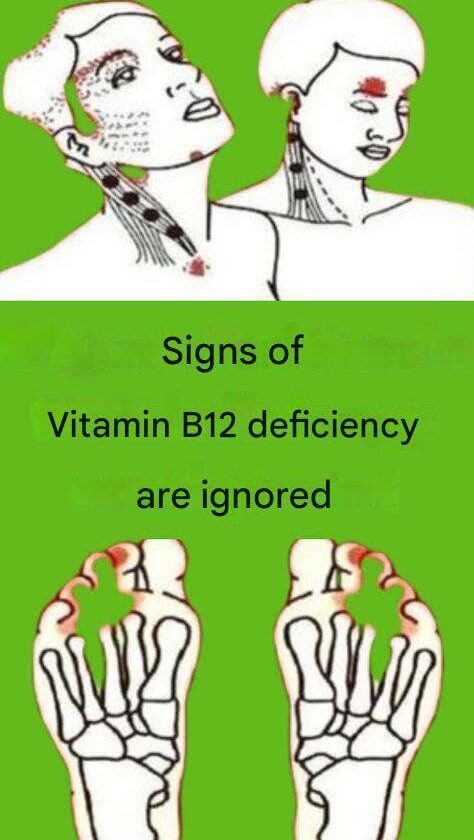
Signs of Vitamin B12 Deficiency That Are Easy to Miss
Vitamin B12 is essential for making healthy red blood cells, supporting the nervous system, and helping the body produce DNA. A deficiency can develop slowly, and some symptoms may be overlooked or mistaken for normal aging or stress.
1. 😴 Persistent tiredness and weakness
Low B12 can contribute to anemia, which may cause:
- Fatigue
- Low energy
- Weakness
- Shortness of breath during activity
2. 🖐️ Tingling or numbness
A lack of B12 can affect nerves, causing:
- Pins-and-needles sensations
- Numbness in hands or feet
- A “burning” feeling
3. 🧠 Memory problems or difficulty concentrating
Some people experience:
- Brain fog
- Trouble focusing
- Forgetfulness
- Confusion (especially with more severe deficiency)
4. 😕 Mood changes
B12 deficiency may be associated with:
- Irritability
- Low mood
- Depression-like symptoms
5. 👅 Changes in the mouth and tongue
Possible signs include:
- A sore, red, or swollen tongue
- Mouth ulcers
- Changes in taste
6. 🚶 Balance problems
Nerve effects from prolonged deficiency may contribute to:
- Unsteadiness
- Difficulty walking
- Increased risk of falls
7. 👁️ Vision changes (less common)
Rarely, nerve damage related to B12 deficiency can affect vision.
8. 🩸 Pale skin
Anemia from B12 deficiency can make the skin appear paler than usual.
Who is more likely to have low B12?
Higher-risk groups include:
- Older adults
- People following a strict vegan diet (B12 is mainly found naturally in animal products)
- People with absorption problems (such as certain stomach or intestinal conditions)
- People who have had some types of stomach or intestinal surgery
- Those taking certain medications, such as long-term acid-reducing medicines or metformin (which may affect B12 levels in some people)
Foods that contain vitamin B12
Good sources include:
- Fish and seafood
- Meat and poultry
- Eggs
- Milk and dairy products
- Fortified cereals and plant-based foods