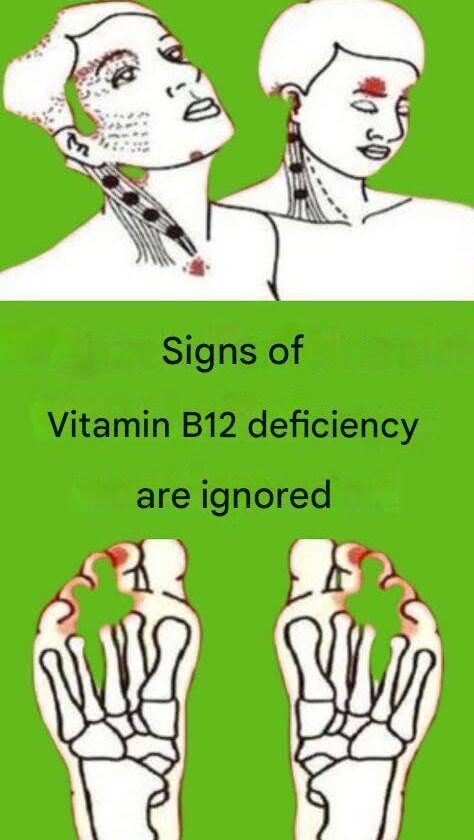
Signs of Vitamin B12 Deficiency That Are Often Ignored
Vitamin B12 is an essential nutrient needed for red blood cell production, nerve function, and DNA formation. A deficiency can develop slowly, and some symptoms may be mistaken for stress, aging, poor sleep, or other conditions.
Common Signs That May Be Overlooked
1. Unusual Fatigue and Weakness
Low B12 can reduce healthy red blood cell production, which may limit oxygen delivery to tissues. You may notice:
- Persistent tiredness
- Low energy
- Weakness
- Reduced stamina
2. Tingling or Numbness
B12 is important for healthy nerves. Deficiency may cause:
- “Pins and needles” sensations
- Numbness in hands or feet
- Burning sensations
- Balance problems
3. Memory or Concentration Changes
Some people experience:
- Difficulty focusing
- Forgetfulness
- Mental “fog”
- Mood changes
4. Pale Skin or Changes in Appearance
A deficiency can contribute to anemia, which may cause:
- Pale skin
- Weakness
- Shortness of breath with activity
5. Mouth and Tongue Changes
Possible signs include:
- A sore or swollen tongue
- Burning sensation in the mouth
- Mouth ulcers
6. Mood Changes
Low B12 levels may be associated with:
- Irritability
- Low mood
- Changes in emotional well-being
7. Vision or Balance Issues
In more significant or prolonged deficiency, nerve-related symptoms can include:
- Unsteadiness
- Difficulty walking
- Vision changes
Who May Be at Higher Risk?
Vitamin B12 deficiency is more common in people who:
- Eat little or no animal products
- Are older adults
- Have absorption problems (such as certain stomach or intestinal conditions)
- Have had some types of stomach or intestinal surgery
- Take certain medications that affect B12 absorption
How It’s Checked and Treated
A healthcare professional can check B12 status with blood tests. Treatment depends on the cause and may involve:
- Dietary changes
- Oral supplements
- B12 injections in some cases
Important Note
These symptoms are not specific to B12 deficiency and can occur with many other conditions. If symptoms are persistent, worsening, or include numbness, balance problems, or significant weakness, it is worth discussing with a healthcare professional.