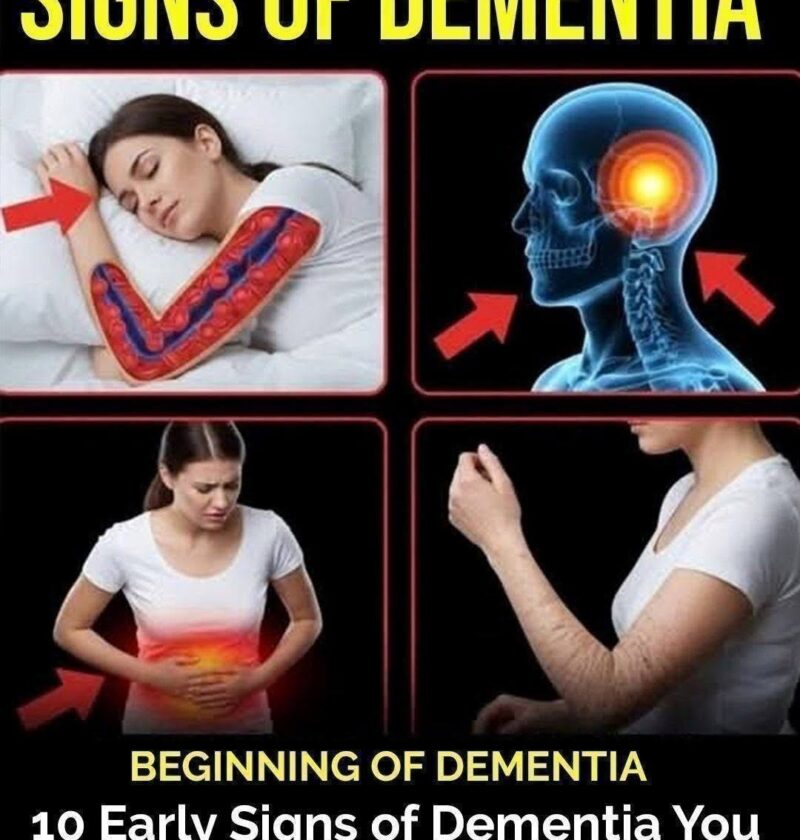
Early signs of Dementia often develop slowly and can be easy to miss at first. They don’t automatically mean someone has dementia, but a pattern that persists or worsens is what matters.
Here are 12 early warning signs:
- Memory loss that disrupts daily life
Forgetting recent conversations, appointments, or repeatedly asking the same questions. - Difficulty planning or solving problems
Struggling with tasks that used to be simple, like budgeting, cooking, or following instructions. - Trouble completing familiar tasks
Getting lost in routine activities such as using a phone, driving familiar routes, or managing household chores. - Confusion with time or place
Losing track of dates, seasons, or not recognizing where they are or how they got there. - Problems understanding visual information
Difficulty reading, judging distances, or recognizing faces and objects clearly. - New language or speaking difficulties
Trouble finding words, repeating phrases, or pausing frequently mid-sentence. - Misplacing things and losing the ability to retrace steps
Putting items in unusual places and being unable to figure out where they were left. - Poor judgment or decision-making
Making unusual financial choices, neglecting hygiene, or showing reduced awareness of safety. - Withdrawal from work or social activities
Avoiding hobbies, conversations, or social events due to confusion or frustration. - Changes in mood or personality
Increased anxiety, irritability, suspicion, depression, or apathy without a clear cause. - Decreased initiative or motivation
Losing interest in starting activities or relying heavily on others to make decisions. - Difficulty recognizing familiar people
Struggling to identify close friends, family members, or familiar faces in advanced early stages.
These symptoms are especially associated with conditions like Alzheimer’s disease, which is the most common cause of dementia, but they can also appear in other neurological or medical conditions.
If you want, I can also explain how early dementia is diagnosed, or how it differs from normal aging memory loss.