A more accurate and useful version would be:
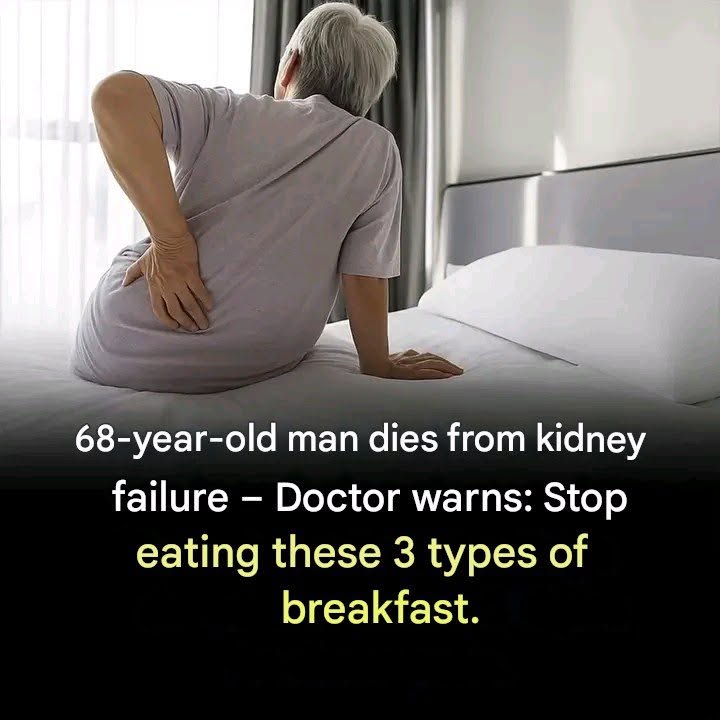
- Breakfast Foods That May Be Hard on Kidney Health (If You Have Risk Factors)
- Kidney Health: Breakfast Habits to Limit or Avoid
- What to Watch in Your Breakfast If You Have Kidney Disease Risk
- Are Some Breakfast Foods Bad for Your Kidneys? Here’s the Truth
What actually matters for kidney health
Kidneys are affected most by:
- Chronic kidney disease
- High blood pressure
- Diabetes
- High sodium intake
- Long-term poor dietary patterns
Breakfast types that may be problematic (especially for at-risk people)
1. High-sodium processed breakfasts
Examples:
- Processed meats (sausages, bacon)
- Instant noodles or packaged savory items
- Highly salted breads or spreads
Why it matters: Excess sodium can raise blood pressure, which stresses the kidneys.
2. Very high-protein, heavy breakfasts (in kidney disease)
Examples:
- Large portions of red meat
- Multiple protein shakes at once
- Extremely protein-dense “fitness breakfasts”
Why it matters: In people with existing kidney disease, excess protein may increase kidney workload. (Healthy kidneys usually handle protein well.)
3. Sugary refined breakfasts (indirect risk)
Examples:
- Sugary cereals
- Pastries, donuts
- Sweetened coffee drinks
Why it matters: These can increase risk of obesity and diabetes, which are major causes of kidney disease.
Important clarification
- These foods do not automatically “damage kidneys” in healthy individuals.
- Risk is mostly about frequency, portion size, and underlying health conditions.
- Hydration and overall diet quality matter more than any single breakfast choice.
Healthier breakfast approach
A kidney-friendly pattern often includes:
- Whole grains (oats, whole wheat)
- Fruits and vegetables
- Moderate protein (eggs, yogurt, legumes)
- Low sodium choices
- Adequate water intake
Key takeaway
There are no specific breakfast “types” that directly damage kidneys, but high sodium, excessive protein (in kidney disease), and highly processed sugary foods can contribute to long-term risk when eaten regularly.
If you want, I can turn this into a viral-style script that stays medically accurate but still grabs attention.