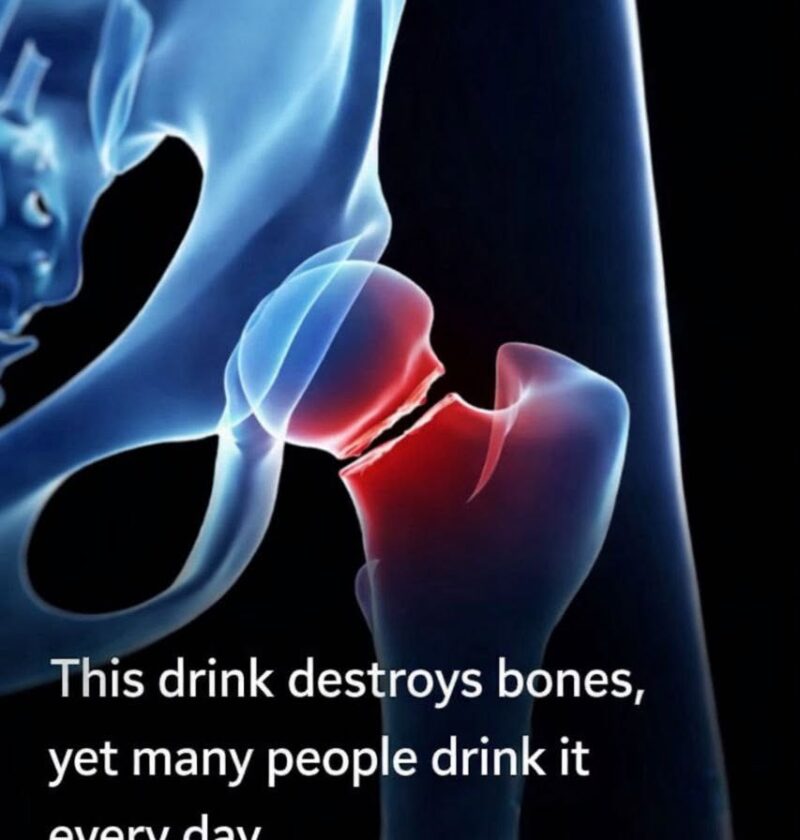
Here are five drinks often considered most harmful for bone health:
1. Cola and dark sodas
Soft drinks—especially colas—are strongly linked to poorer bone density in some studies.
Why they can be harmful:
- High phosphoric acid may disrupt calcium balance
- Often replace milk or calcium-rich drinks in the diet
- High sugar intake can indirectly affect bone metabolism
This is one of the most consistently flagged beverages in bone health research.
2. Excessive caffeine (coffee and energy drinks)
Moderate coffee is usually fine, but very high intake may slightly increase calcium loss in urine.
Concerns:
- Can reduce calcium absorption slightly
- May affect bone density if calcium intake is low
- Energy drinks combine caffeine with sugar, worsening effects
Balance matters more than complete avoidance.
3. Alcoholic beverages
Heavy alcohol use is clearly linked to reduced bone formation and higher fracture risk.
Effects include:
- Lower bone-building activity (osteoblast suppression)
- Poor nutrient absorption
- Increased fall risk (which adds fracture danger)
Even moderate drinking may be harmful in older adults at risk of osteoporosis.
4. Sugary fruit drinks and packaged juices
Many “fruit drinks” are not real juice and contain high sugar with little nutrition.
Problems:
- High sugar can increase calcium loss
- Often displace healthier milk or fortified drinks
- Poor nutrient density for bone support
Whole fruit is far better than juice-based drinks.
5. Excessive carbonated beverages (including some sparkling drinks)
Even sugar-free carbonated drinks may affect bone health if consumed heavily.
Issues:
- May replace calcium-rich beverages
- Acidic nature can influence dietary balance
- Often associated with low overall nutrient intake
Note: Plain sparkling water is generally not a concern if diet is balanced.
Key takeaway
The biggest threat to bone health is not one drink alone—it’s replacing calcium- and vitamin D–rich foods with low-nutrient beverages over time.
Good bone-supporting drinks include:
- Milk or fortified plant milks
- Yogurt-based drinks
- Water (hydration supports overall metabolism)
If you want, I can also list the top 7 drinks that actually strengthen bones or a simple osteoporosis-prevention diet plan for seniors.