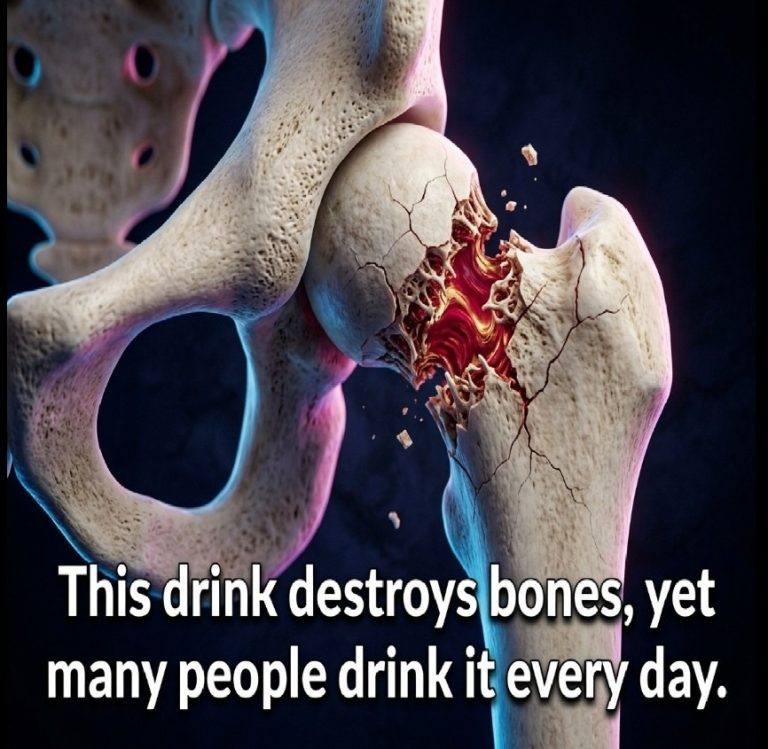
How Everyday Beverages Can Influence Bone Strength Over Time
(Original, Copyright-Free, SEO-Optimized Health Content)
Are Your Daily Drinks Helping or Hurting Your Bones?
Bone health is something most people don’t think about until later in life, but it is built through everyday habits. Calcium intake, vitamin D levels, physical activity, and overall nutrition all play important roles in maintaining strong bones.
While no single drink will directly “damage” your bones overnight, health experts often highlight that certain beverages—when consumed frequently and in large amounts—may not support optimal bone health. The concern is usually not occasional consumption, but long-term patterns that replace more nutrient-rich options.
Understanding these drinks can help you make more balanced choices for long-term wellness.
Why Bone Health Depends on More Than Just Calcium
Strong bones are maintained through a combination of factors, including:
- Adequate calcium intake
- Vitamin D for calcium absorption
- Regular weight-bearing exercise
- Balanced protein intake
- Healthy lifestyle habits
- Hormonal balance
Because bones are living tissue, they continuously break down and rebuild. Nutrition and lifestyle choices influence this process over time.
1. Sugary Soft Drinks (Carbonated Sodas)
Why They Are Often Discussed
Sugary sodas are frequently mentioned in bone health research because high intake is sometimes linked with lower consumption of calcium-rich beverages like milk.
Many soft drinks contain:
- High levels of added sugar
- Phosphoric acid (in cola-type drinks)
- Little to no essential nutrients
What Health Experts Say
The concern is that regular, frequent soda consumption may displace healthier beverage choices in the diet, which can indirectly affect bone nutrition over time.
2. Excess Alcoholic Beverages
How Alcohol May Affect Bone Health
Heavy alcohol consumption is associated with several health risks, including potential effects on bone metabolism.
Excessive intake may:
- Interfere with bone formation
- Affect nutrient absorption
- Increase fall risk due to impaired balance
- Contribute to long-term health complications
Key Point
Moderation is important. The strongest concerns are linked to chronic or heavy use rather than occasional intake.
3. High-Caffeine Energy Drinks
What Makes Them a Concern
Energy drinks often combine:
- High caffeine levels
- Added sugars
- Stimulant compounds
Possible Bone Health Considerations
Very high caffeine intake may contribute to increased calcium loss in urine, especially if dietary calcium intake is low.
Occasional use is not typically considered harmful, but frequent high intake is not ideal for overall nutritional balance.
4. Sugary Coffee-Based Beverages
Coffee Itself vs. Coffee Drinks
Plain coffee in moderate amounts is generally not considered harmful to bone health for most people.
However, many popular coffee beverages include:
- Large amounts of sugar
- Flavored syrups
- Creams and toppings
- High calorie content
Why It Matters
When coffee drinks become high-sugar desserts in liquid form, they may contribute to overall dietary imbalance, which can indirectly affect bone-supporting nutrition.
5. Sweetened Fruit Drinks and Fruit Flavored Beverages
Not the Same as Whole Fruit
Many bottled fruit drinks contain:
- Added sugars
- Artificial flavors
- Limited real fruit content
Bone Health Perspective
These beverages often replace more nutritious options such as milk, fortified plant-based drinks, or water. Over time, this may reduce intake of key bone-supporting nutrients like calcium and vitamin D.
What Actually Supports Strong Bones?
Instead of focusing only on limiting certain drinks, experts recommend building supportive habits such as:
Calcium-Rich Foods and Drinks
- Milk and dairy products
- Fortified plant-based beverages
- Yogurt and cheese
Vitamin D Sources
- Sunlight exposure (safe, moderate)
- Fortified foods
- Supplements when recommended by a healthcare provider
Physical Activity
Weight-bearing exercises such as walking, dancing, and resistance training help maintain bone density.
Balanced Nutrition
A diet rich in fruits, vegetables, protein, and whole grains supports overall skeletal health.
Common Misunderstandings About Bone Health and Drinks
Myth: One Soda Will Weaken Your Bones
Fact: Bone health depends on long-term habits, not single drinks.
Myth: Coffee Automatically Causes Bone Loss
Fact: Moderate coffee intake is generally considered safe when calcium intake is adequate.
Myth: All Sweet Drinks Are Equally Harmful
Fact: Frequency, quantity, and overall diet matter more than any single beverage.
The Bottom Line
Some drinks—especially those high in sugar, caffeine, or alcohol—may not support optimal bone health when consumed frequently. However, bone strength is influenced by overall lifestyle patterns rather than individual beverages.
Choosing more nutrient-rich drinks and maintaining a balanced diet can help support long-term skeletal health.
See More
Strong bones aren’t built overnight—and they aren’t broken by one drink either. What matters most is the pattern of choices you make every day.
Part 2: Simple Bone-Supporting Smoothie Recipe
Calcium-Rich Banana Almond Smoothie
Ingredients
- 1 banana
- 1 cup milk or fortified plant-based milk
- 1 tablespoon almond butter
- 2 tablespoons oats
- 1 teaspoon honey (optional)
- Ice cubes (optional)
Instructions
- Add banana, milk, almond butter, and oats to a blender.
- Blend until smooth and creamy.
- Add honey if desired.
- Add ice cubes for a chilled texture.
- Serve immediately.
Preparation Time
5 minutes
Servings
1–2
Category
Healthy Smoothie • Bone-Friendly Drink • Calcium-Rich Recipe