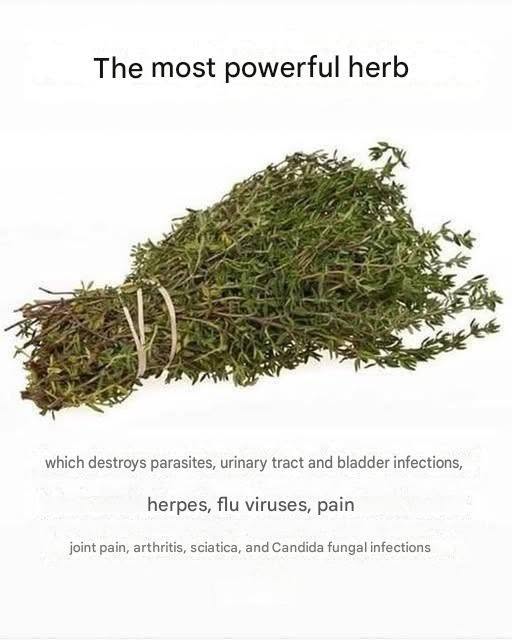
Claims that a single herb is “the most powerful” and can destroy parasites, urinary tract and bladder infections, herpes, and flu viruses are not supported by strong scientific evidence. Different infections have different causes and require different treatments.
Some herbs have been studied for antimicrobial properties, but the evidence is generally limited:
- Garlic: Contains compounds with antibacterial and antifungal activity in laboratory studies. It is not a proven treatment for urinary tract infections, herpes, or influenza.
- Oregano: Oregano oil has shown antimicrobial effects in lab studies, but there is insufficient evidence that it treats these infections in people.
- Cranberry: Cranberry products may help reduce the risk of recurrent urinary tract infections in some people, but they do not treat an active infection.
- Goldenseal: Sometimes promoted for infections, but there is limited high-quality evidence of benefit, and it can interact with medications.
Conditions mentioned require different approaches
- Parasites: Treatment depends on the specific parasite and often requires prescription antiparasitic medication.
- Urinary Tract Infection and bladder infections: Usually need medical evaluation. Many bacterial UTIs are treated with antibiotics.
- Herpes Simplex: Antiviral medications can reduce symptoms and outbreaks; herbs have not been proven to replace them.
- Influenza: Supportive care is the mainstay for most people, and antiviral medications may be appropriate in some cases, especially if started early.
If you have symptoms such as painful urination, blood in the urine, high fever, severe pain, persistent sores, or signs of a serious infection, it’s important to seek medical evaluation rather than relying on herbal remedies alone.
If you were referring to a specific herb you’ve seen online, tell me its name and I can explain what the evidence says about it.