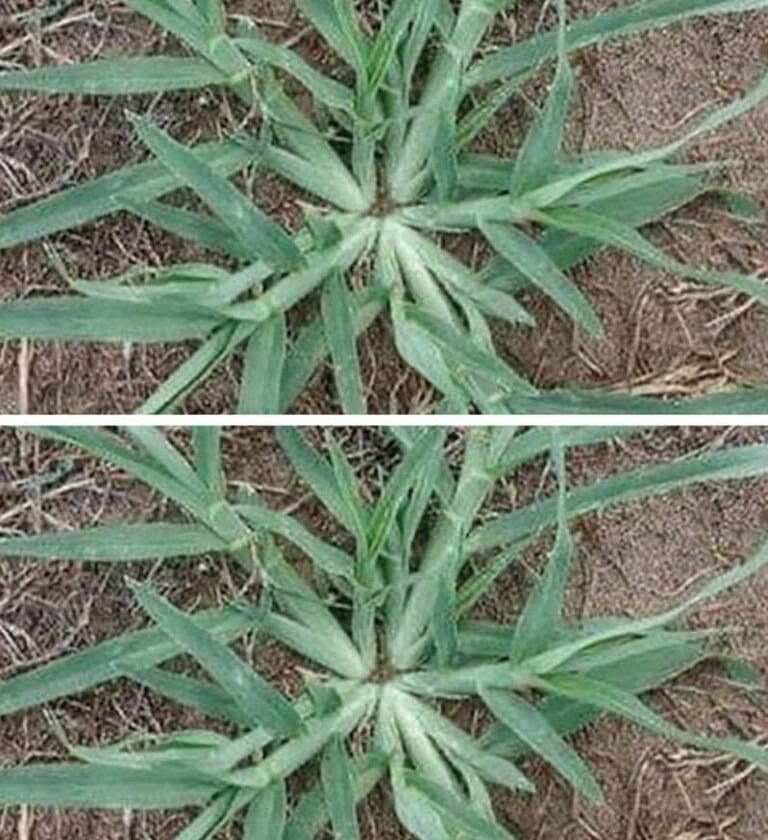
That line is another fear-based gardening myth commonly used in clickbait posts.
There is no plant that is universally “never safe to uproot.” Whether a plant should be removed depends on what it is and your situation.
Why these posts spread
They usually:
- Don’t name the plant clearly (or show different plants each time)
- Mix superstition with vague “benefits”
- Aim to get shares or clicks
The reality: some plants are useful, some are invasive
Here are the two real possibilities:
1. Beneficial “volunteer” plants
Some plants that appear naturally can be helpful:
- Improve soil (nitrogen-fixing plants like clover)
- Attract pollinators (bees, butterflies)
- Act as ground cover to reduce weeds
In these cases, you might choose to keep them.
2. Invasive or harmful weeds
Other plants can:
- Spread aggressively and take over your garden
- Compete with crops for nutrients
- Trigger allergies or skin irritation
- Harbor pests
These are usually better removed.
Important truth
A plant is not “protected” just because it appears naturally. Gardening is about:
- Identifying the plant correctly
- Deciding if it helps or harms your garden goals
Bottom line
If a post refuses to name the plant and uses dramatic warnings like “never uproot it,” it’s almost always misinformation or engagement bait, not expert advice.
If you want, send a picture or description of the plant—you’ll get a much more accurate answer about whether to keep it or remove it.