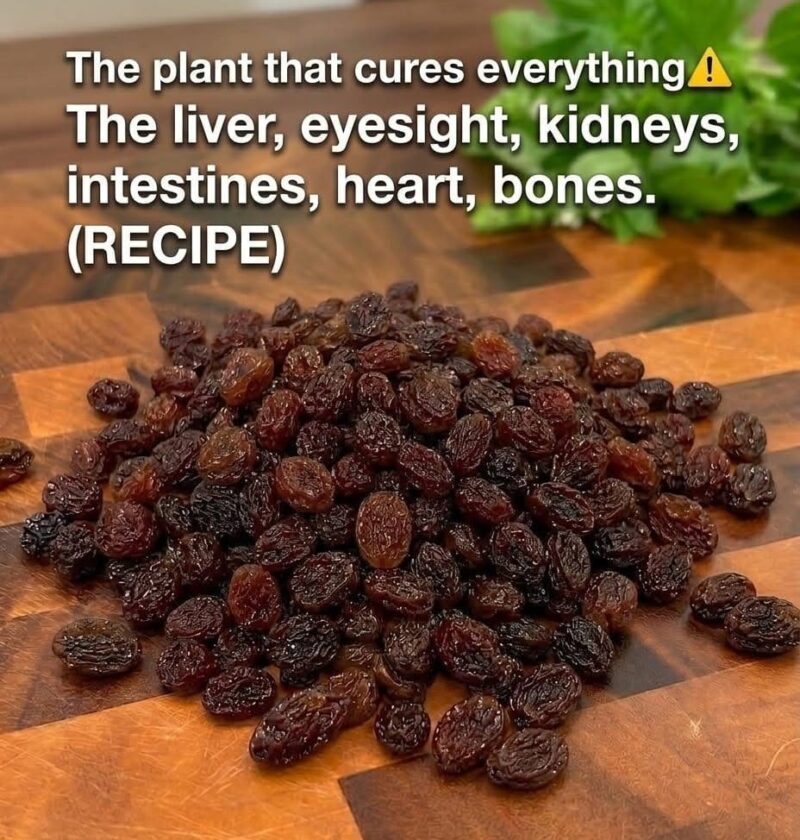
Claims that one plant “cures everything”—including the liver, eyesight, kidneys, intestines, heart, and bones—are not supported by good scientific evidence. No single plant can cure all diseases or replace medical care.
That said, many plants contain nutrients and compounds that can support overall health when included in a balanced diet. For example:
- Leafy greens (such as spinach and kale) provide vitamins, minerals, and antioxidants that support general health.
- Berries contain polyphenols associated with heart and brain health.
- Garlic contains sulfur compounds that may support cardiovascular health.
- Turmeric contains curcumin, which has been studied for anti-inflammatory effects.
Some traditional remedies may have benefits, but the effects are usually specific, limited, and depend on the preparation, dose, and a person’s health situation.
If you’re referring to a particular “miracle plant” from a social media claim (for example moringa, aloe vera, turmeric, ginger, or another plant), tell me its name and I can explain what research actually shows, including any risks or medication interactions.