Claims like “one ingredient that protects against 25+ diseases” are usually an exaggeration. No single food, spice, supplement, or ingredient can prevent dozens of diseases by itself. Health outcomes come from many factors, including genetics, lifestyle, environment, and overall diet.
That said, some individual foods contain compounds that are linked to health benefits. Examples often highlighted in research include:
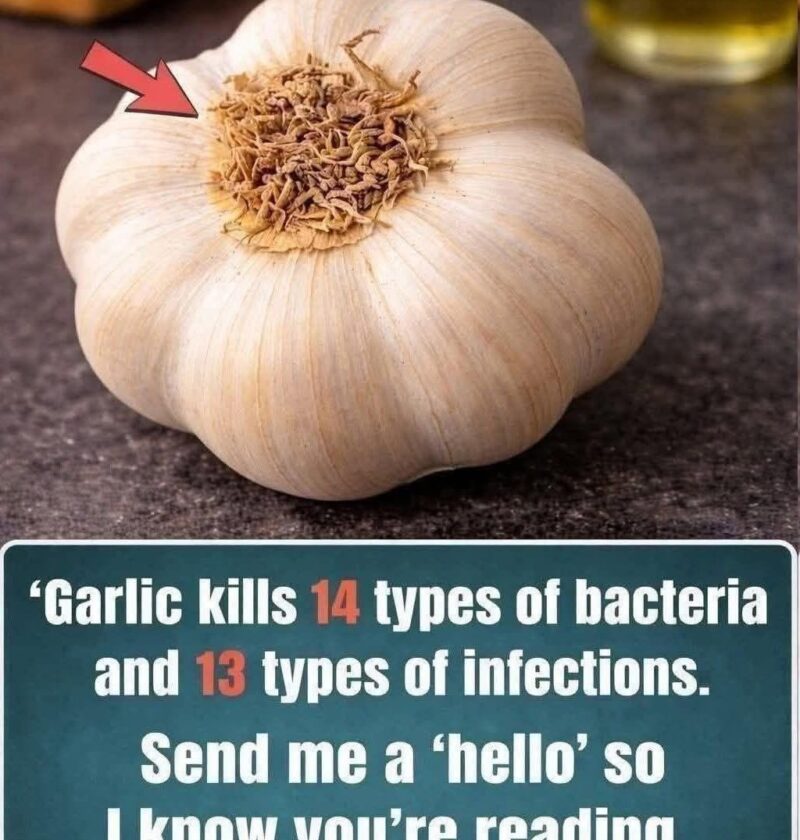
- Garlic: Contains sulfur compounds that may support heart health and have antimicrobial properties.
- Turmeric (curcumin): Has anti-inflammatory and antioxidant activity, though absorption can be limited and research does not show it prevents all diseases.
- Berries: Rich in polyphenols and antioxidants associated with healthy aging.
- Nuts (such as walnuts and almonds): Linked with improved heart health when eaten as part of a balanced diet.
- Extra-virgin olive oil: A key part of Mediterranean-style eating patterns associated with cardiovascular benefits.
The more accurate message is: certain nutrient-rich foods may lower risk factors for some conditions, but they do not act as a shield against every disease.
A sustainable approach is to focus on patterns:
- Eat plenty of vegetables and fruits.
- Include healthy fats, lean proteins, and whole grains.
- Limit highly processed foods and excess added sugar.
- Stay active and maintain regular health checkups.
If you have a specific “one ingredient” in mind (for example garlic, turmeric, honey, ginger, or something else), I can explain what the evidence actually says about it.