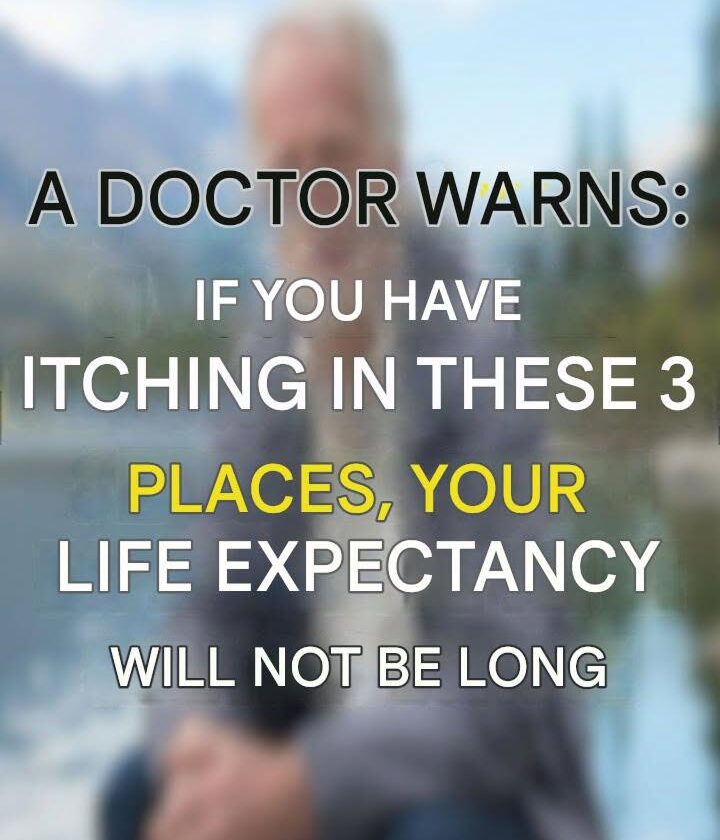
That headline is partly based on real medicine, but it’s usually written in a fear-based, exaggerated way. Liver disease does have warning signs—but many of them are non-specific, meaning they can come from other conditions too.
Here are some possible visible or noticeable signs that can be associated with liver problems:
🟡 1. Yellowing of skin or eyes (jaundice)
- Skin or the whites of the eyes turn yellow
- Happens when bilirubin builds up
- One of the more important liver-related signs
🟤 2. Dark urine + pale stools
- Urine becomes unusually dark (tea-colored)
- Stools may become light or clay-colored
- Can indicate bile flow problems
🧴 3. Itchy skin
- Persistent, unexplained itching
- Can occur when bile salts build up in the body
🩸 4. Easy bruising or bleeding
- Liver makes clotting factors
- When it’s not working well, bruising happens more easily
🦶 5. Swelling in legs or abdomen
- Fluid buildup (edema or ascites)
- May suggest advanced liver disease
⚠️ 6. Spider-like blood vessels on skin
- Small red vessels, often on chest or face
- Called “spider angiomas”
😴 7. Fatigue and weakness
- Very common but non-specific
- Can be caused by many other conditions too
🧠 Important reality check
These signs do not automatically mean liver disease. They can also be caused by:
- Infections
- Blood disorders
- Kidney or heart problems
- Nutritional issues
A proper diagnosis requires blood tests and sometimes imaging (ultrasound, etc.)
🚨 When to seek medical help
You should get checked if you notice:
- Yellow eyes or skin
- Persistent abdominal swelling
- Confusion or severe fatigue
- Dark urine with pale stools
🧠 Bottom line
Yes, liver disease can show visible signs—but articles that say “these signs may be hiding liver disease” are often designed to alarm people. The key is pattern + persistence + medical testing, not one symptom alone.
If you want, tell me the specific symptom you saw or are worried about, and I can help you understand how likely it is to be liver-related.