Atorvastatin is a commonly prescribed medicine used to lower cholesterol and reduce the risk of heart disease and stroke. It belongs to a group of drugs called statins.
What atorvastatin does
Atorvastatin works in the liver to:
- Lower LDL cholesterol (“bad” cholesterol)
- Slightly raise HDL cholesterol (“good” cholesterol)
- Reduce triglycerides (a type of fat in the blood)
By improving cholesterol levels, it helps prevent fatty deposits from building up in blood vessels.
Why doctors commonly prescribe it
Doctors prescribe atorvastatin mainly to reduce the risk of:
- Heart attack
- Stroke
- Atherosclerosis
It is commonly used in people who:
- Have high cholesterol
- Have diabetes (even with “normal” cholesterol in some cases)
- Have a history of heart disease or stroke
- Have multiple cardiovascular risk factors (smoking, high BP, obesity, family history)
How it helps protect the heart
Atorvastatin does more than just lower cholesterol:
- Stabilizes plaque in arteries (prevents rupture)
- Reduces inflammation in blood vessels
- Lowers long-term risk of cardiovascular events
Common side effects
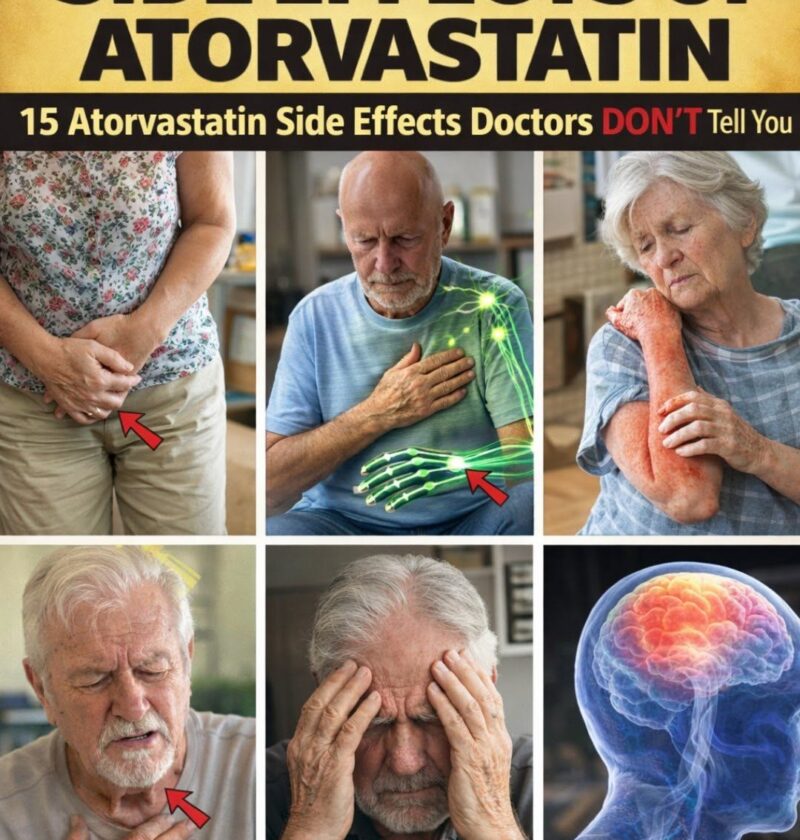
Most people tolerate it well, but possible side effects include:
- Muscle aches or weakness
- Mild digestive issues
- Headache
Rare but serious effects (need medical attention):
- Severe muscle pain or dark urine
- Liver problems (uncommon)
Important points
- It is usually taken once daily
- Works best when combined with a healthy diet and exercise
- It is often prescribed long-term, sometimes lifelong
- Do not stop it without medical advice
Bottom line
Atorvastatin is one of the most widely used and well-studied medications for preventing heart attacks and strokes by lowering cholesterol and protecting blood vessels.
If you want, I can also explain:
- Atorvastatin vs other statins (like rosuvastatin)
- Foods to avoid or limit while taking it
- Or whether it can be taken with blood pressure medicines like amlodipine