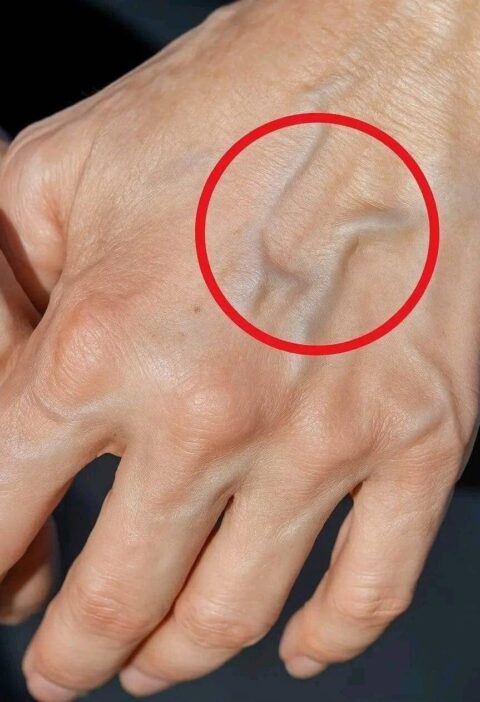
That headline is designed to grab attention. There is some truth to the idea that liver disease can cause visible changes, but most visible changes are not specific to liver disease, and many people with liver disease have no obvious signs, especially in the early stages.
Some visible signs that can be associated with liver disease include:
- Yellowing of the skin or eyes (jaundice).
- Swelling of the abdomen (ascites) or legs.
- Easy bruising or bleeding.
- Spider-like clusters of small blood vessels on the skin (spider angiomas).
- Redness of the palms (palmar erythema).
- Persistent itching without an obvious rash.
- Very dark urine or pale, clay-colored stools.
However, these signs can also occur for other reasons, and having one of them does not necessarily mean you have liver disease.
If someone has these signs—especially jaundice, abdominal swelling, confusion, or vomiting blood—they should seek medical evaluation promptly. Otherwise, if there’s concern about liver health due to risk factors (such as heavy alcohol use, viral hepatitis, obesity, or certain medications), a healthcare professional can assess the situation with a history, physical exam, and, if appropriate, blood tests and imaging.
So a headline like “These visible signs may be hiding liver disease” is partly accurate, but it oversimplifies a complex topic and shouldn’t be used to diagnose liver disease on its own.