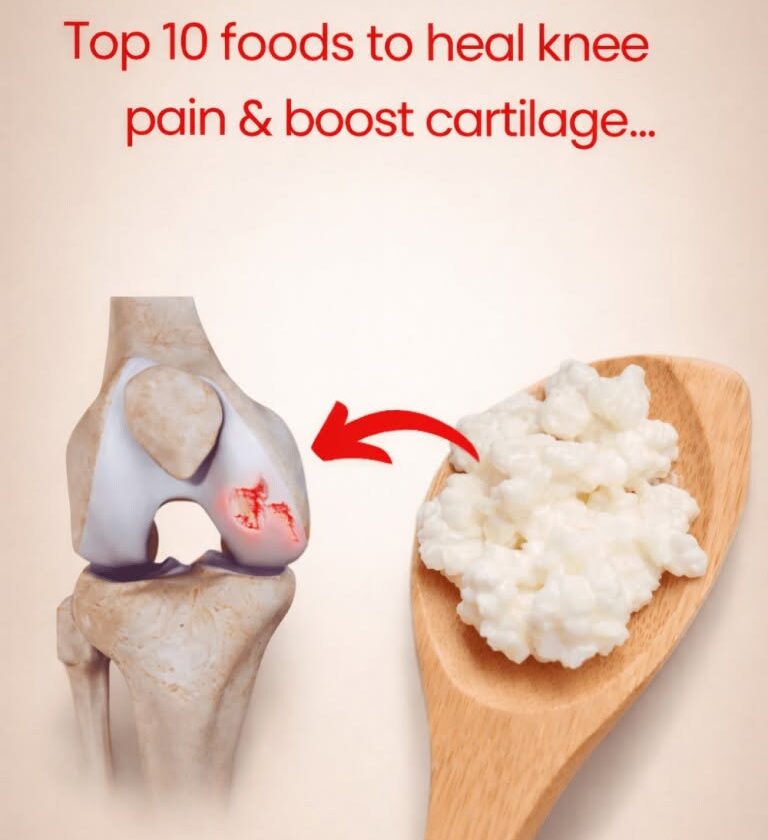
A headline like “Top 10 Foods to Heal Knee Pain and Boost Cartilage” can be misleading. No food can directly “heal” damaged cartilage, especially in conditions like Osteoarthritis. However, certain foods may help reduce inflammation, support joint health, and provide nutrients involved in cartilage maintenance.
🦵 Top 10 Foods That May Support Knee and Joint Health
1. Fatty Fish
Examples:
- Salmon
- Sardines
- Mackerel
Omega-3 fats may help reduce inflammation and joint stiffness.
2. Berries
Examples:
- Blueberries
- Strawberries
Rich in antioxidants that help combat oxidative stress.
3. Leafy Green Vegetables
Examples:
- Spinach
- Kale
Provide vitamins, minerals, and anti-inflammatory compounds.
4. Olive Oil
Olive Oil
Contains compounds associated with reduced inflammation.
5. Nuts
Examples:
- Walnuts
- Almonds
Provide healthy fats, magnesium, and antioxidants.
6. Beans and Lentils
Examples:
- Lentils
- Chickpeas
- Kidney beans
Rich in fiber and plant protein, which support overall health and weight management.
7. Citrus Fruits
Examples:
- Oranges
- Lemons
Contain vitamin C, which is important for collagen production.
8. Bone Broth
Bone Broth
Contains collagen-derived proteins, although evidence that it rebuilds cartilage is limited.
9. Soy Foods
Examples:
- Tofu
- Edamame
Provide protein and beneficial plant compounds.
10. Turmeric
Turmeric
Contains curcumin, which has anti-inflammatory properties. It is often consumed with black pepper to improve absorption.
Nutrients Important for Joint Health
Focus on getting adequate:
- Protein
- Vitamin C
- Vitamin D
- Calcium
- Omega-3 fatty acids
These nutrients support muscles, bones, connective tissue, and overall joint function.
What Helps Knee Pain Most?
For many people, especially those with osteoarthritis, the strongest evidence supports:
- Maintaining a healthy weight
- Regular low-impact exercise
- Strengthening the muscles around the knee
- Physical therapy when appropriate
- Managing inflammation and underlying conditions
Diet can support these goals, but it is usually one part of a broader treatment plan.