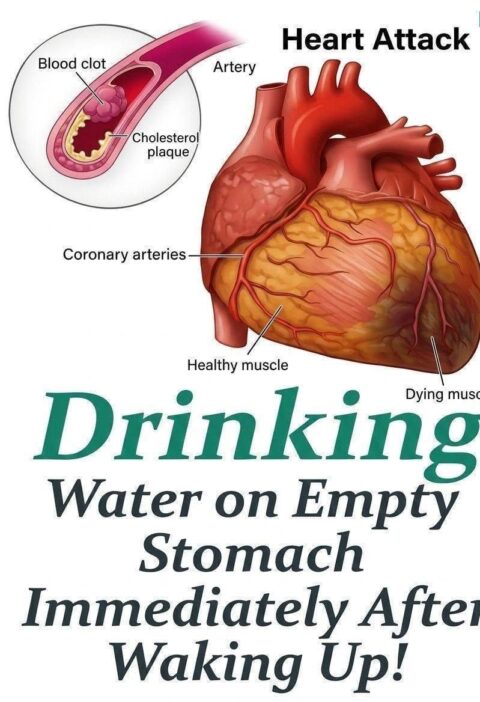
No fruit has been proven to “dissolve” an existing blood clot the way prescribed clot-busting medications can. However, some fruits contain compounds that may support cardiovascular health, reduce inflammation, or have mild effects on blood clotting and circulation as part of a healthy diet.
1. Pineapple
- Contains bromelain, an enzyme that has been studied for anti-inflammatory and potential blood-thinning effects.
- Research is promising, but eating pineapple is not a treatment for blood clots.
2. Pomegranate
- Rich in antioxidants that may support blood vessel health.
- May help reduce oxidative stress and inflammation.
3. Grapes
- Especially red and purple grapes contain resveratrol and other polyphenols.
- These compounds may help support healthy circulation.
4. Berries
- Blueberries, strawberries, raspberries, and blackberries are high in flavonoids.
- Associated with improved blood vessel function and heart health.
5. Citrus Fruits
- Oranges, lemons, grapefruits, and similar fruits provide vitamin C and flavonoids.
- May help support healthy blood vessels.
6. Kiwifruit
- Some studies suggest kiwi consumption may reduce platelet aggregation (clumping).
- Also provides fiber, vitamin C, and potassium.
7. Tomato
- Botanically a fruit.
- Contains lycopene and other compounds linked to cardiovascular benefits.
8. Avocado
- Rich in healthy monounsaturated fats and potassium.
- May help support overall heart and vascular health.
Important
If you suspect a blood clot (symptoms such as sudden leg swelling, chest pain, shortness of breath, or signs of stroke), seek urgent medical care. Fruits and dietary changes cannot safely treat an existing clot, and delaying treatment can be dangerous.
If you’re interested, I can also provide a list of foods and lifestyle habits with the strongest scientific evidence for supporting healthy circulation and reducing clotting risk.