Vinegar in Laundry — The Correct Way to Use It
🧴 What vinegar actually does in washing
White vinegar helps by:
- Breaking down detergent residue
- Softening fabric fibers
- Reducing odor buildup
- Helping rinse away mineral deposits (hard water)
It does not truly whiten fabric like bleach.
👕 “Whiter whites” — what’s real vs hype
✔ What it CAN do:
- Make dull whites look slightly brighter
- Remove buildup that causes gray or yellow tones
- Improve freshness and softness
❌ What it CANNOT do:
- Reverse yellowing caused by aging or oxidation
- Restore heavily stained fabric to new condition
- Replace bleach or oxygen-based cleaners
🧼 How to use vinegar the right way
💧 1. As a fabric softener (most effective use)
- Add ½ cup white vinegar to the fabric softener compartment
- Run a normal wash cycle
- Helps towels become softer and less stiff
🧺 2. For odor removal
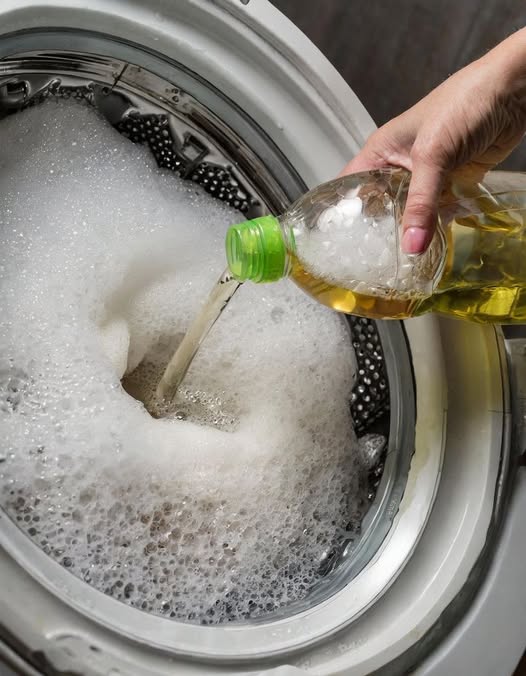
- Add ½–1 cup vinegar directly into the wash drum
- Works well for sweat, musty towels, and gym clothes
🧽 3. Pre-soak for dull fabrics
- Mix warm water + 1 cup vinegar
- Soak clothes for 30–60 minutes
- Then wash normally with detergent
⚠️ Common mistakes people make
❌ Mixing vinegar with bleach
This creates toxic chlorine gas and is dangerous.
❌ Using too much vinegar
Can weaken elastic fibers over time if overused.
❌ Expecting instant whitening
Vinegar is a cleaner, not a bleaching agent.
🧠 Why towels feel softer after vinegar
Towels often become rough because of:
- Detergent buildup
- Hard water minerals
Vinegar helps dissolve these deposits, restoring softness without coating fibers like commercial softeners.