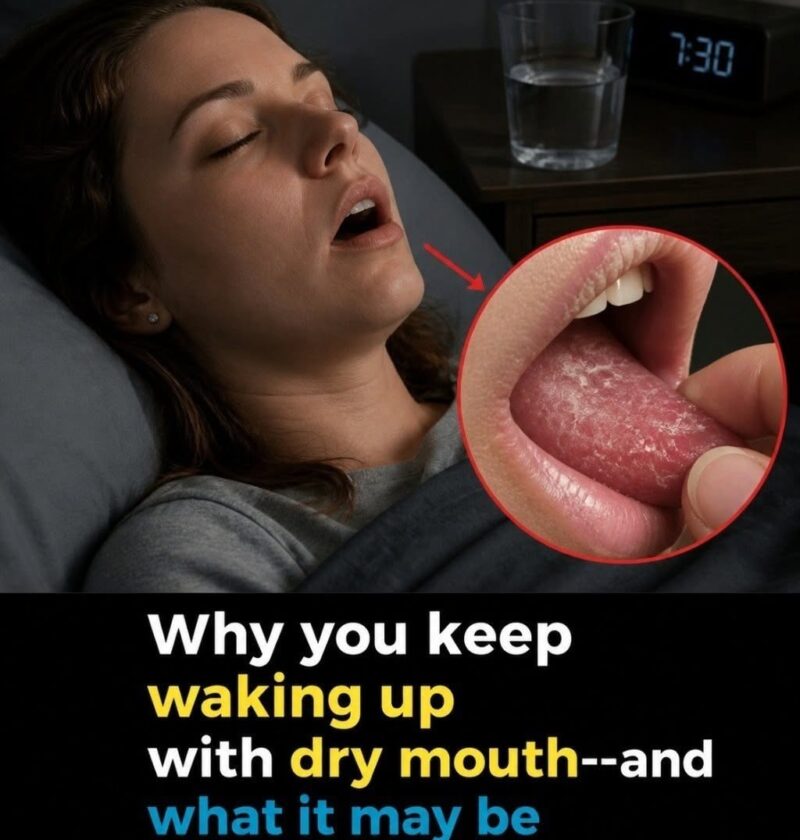
Waking up with a dry mouth can happen occasionally, but if it’s frequent, it may be your body’s way of signaling an underlying issue. Common causes include:
- Mouth breathing: Often due to nasal congestion, allergies, or a deviated septum.
- Dehydration: Not drinking enough fluids, sweating heavily, or consuming alcohol before bed.
- Medications: Many medications—including antihistamines, antidepressants, blood pressure medicines, and some sleep aids—can reduce saliva production.
- Snoring or sleep apnea: Repeated breathing interruptions during sleep can lead to persistent dry mouth and may warrant medical evaluation.
- Diabetes: High blood sugar can contribute to increased thirst and dry mouth.
- Salivary gland disorders: Certain medical conditions or treatments (such as radiation therapy to the head and neck) can reduce saliva production.
- Autoimmune conditions: Diseases like Sjögren’s syndrome can damage the glands that produce saliva.
Dry mouth isn’t just uncomfortable—it can also increase the risk of cavities, gum disease, bad breath, and difficulty swallowing or speaking because saliva helps protect the mouth.
You can often reduce morning dry mouth by:
- Drinking enough water throughout the day.
- Avoiding excessive alcohol and caffeine close to bedtime.
- Using a humidifier if your bedroom air is very dry.
- Treating nasal congestion so you can breathe through your nose.
- Chewing sugar-free gum or using saliva substitutes if recommended by a healthcare professional.
If dry mouth occurs most mornings, lasts for several weeks, or is accompanied by symptoms such as loud snoring, excessive daytime sleepiness, frequent urination, unexplained weight loss, or difficulty swallowing, it’s a good idea to see a healthcare provider or dentist. They can help identify the underlying cause and recommend appropriate treatment.