Here are the main things to check:
1. Reduce moisture
Silverfish thrive in damp environments such as:
- Bathrooms
- Basements
- Laundry rooms
- Kitchens
Fix leaking pipes, improve ventilation, and consider using a dehumidifier if humidity is consistently high.
2. Remove food sources
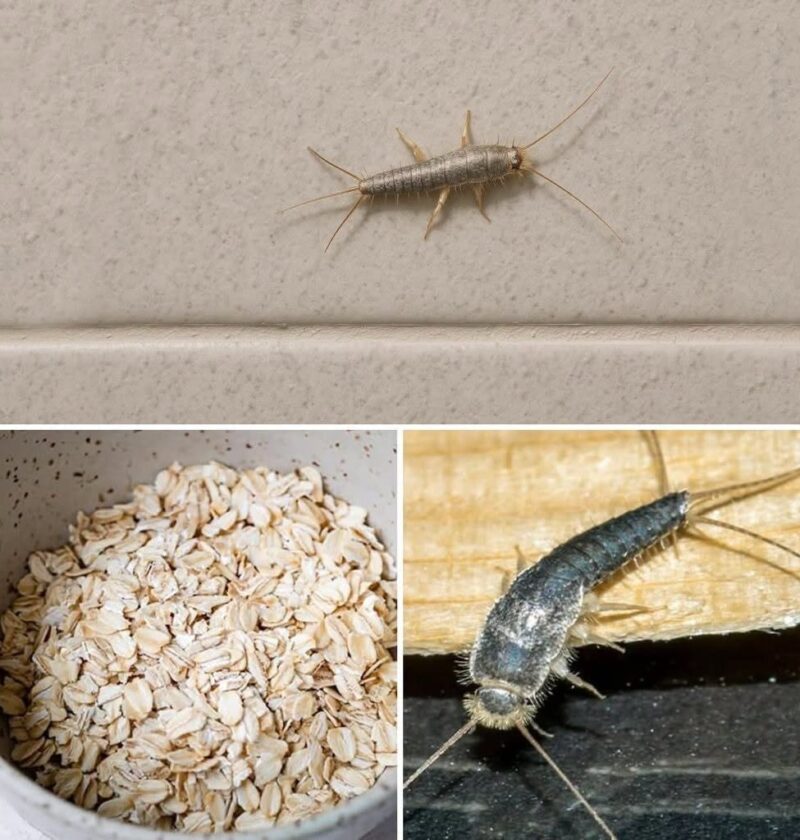
Silverfish feed on materials containing starches and sugars, including:
- Paper and cardboard
- Books and magazines
- Wallpaper paste
- Fabrics made from natural fibers
- Dry foods such as flour, cereal, and pet food
Store pantry items in airtight containers and reduce clutter where possible.
3. Clean regularly
Vacuum cracks, baseboards, closets, and storage areas to remove crumbs, dust, and insect eggs.
4. Seal entry points
Seal gaps around baseboards, pipes, windows, and doors to make it harder for silverfish to enter and hide.
5. Monitor for an infestation
Seeing one silverfish occasionally isn’t uncommon. However, if you frequently notice them or find damage to paper, clothing, or stored items, you may have a larger infestation that requires additional control measures.
Are silverfish dangerous?
Generally, no. Silverfish:
- Do not bite people.
- Do not spread diseases.
- Are not venomous.
Their main nuisance is that they can damage books, photographs, wallpaper, clothing, and other household items over time.
Bottom line
The social media claim that finding a silverfish means there’s a hidden danger is misleading. In most cases, it simply means your home has conditions—especially moisture and shelter—that are attractive to these insects. Addressing excess humidity, improving cleanliness, and sealing entry points are usually the most effective ways to prevent them. If the problem persists despite these steps, consulting a licensed pest control professional may be worthwhile.