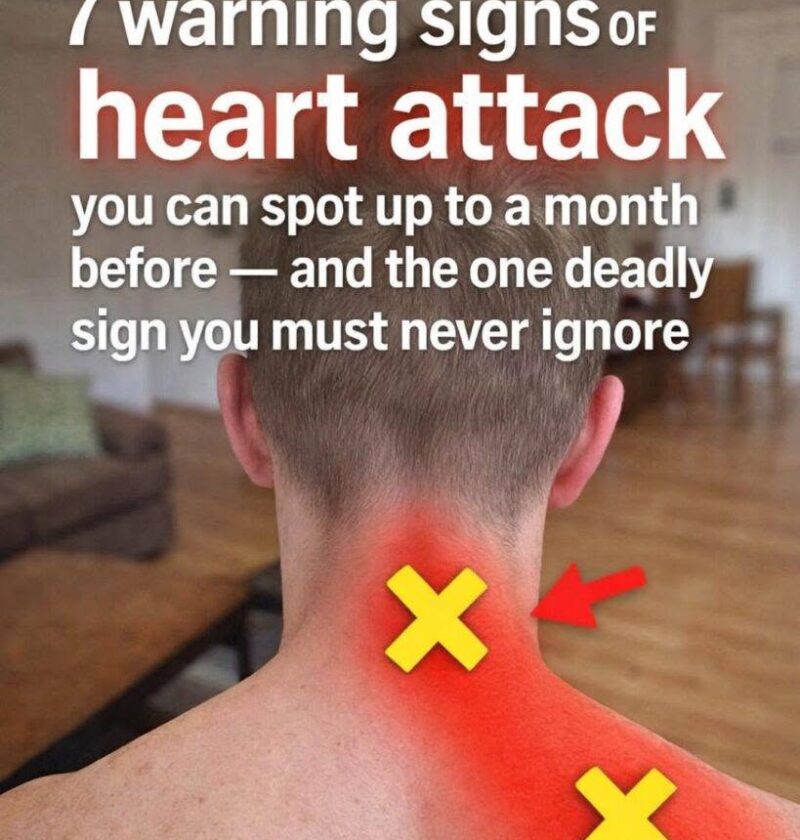
A heart attack (medically called myocardial infarction, related to Myocardial infarction) usually happens when blood flow to the heart is suddenly blocked. Some people do get warning symptoms days or weeks earlier, but many do not.
Possible early warning signs (can appear days to weeks before)
These are sometimes called “prodromal symptoms,” especially in people with underlying heart disease:
1. Chest discomfort (most important)
- Pressure, tightness, squeezing, or heaviness
- May come and go
- Often triggered by activity or stress
2. Unusual fatigue
- Feeling extremely tired without clear reason
- More noticeable in women in some studies
3. Shortness of breath
- During mild activity or even at rest
- Feeling like you can’t catch your breath
4. Pain in other areas
- Jaw, neck, shoulder, back, or left arm
- Can be mild or intermittent
5. Sleep disturbance or anxiety
- Feeling “something is wrong” without clear cause
- Restlessness at night
6. Reduced exercise tolerance
- Getting tired or breathless doing activities that were previously easy
The ONE signal you should never ignore
Chest pain or pressure that:
- lasts more than a few minutes
- or keeps coming back
- or occurs with sweating, nausea, or breathlessness
This is the most critical warning sign and should be treated as an emergency.
Important reality check
- Many heart attacks happen suddenly without clear early warning
- Early symptoms are not reliable for prediction
- These signs can also be caused by non-heart-related issues (acid reflux, anxiety, muscle pain)
When to seek emergency help immediately
Call emergency services if someone has:
- Chest pressure/pain
- Pain spreading to arm, jaw, or back
- Shortness of breath
- Sudden cold sweat, nausea, or fainting
Bottom line
There can be early warning symptoms, but they are inconsistent. The safest approach is simple: any new or unexplained chest discomfort should be taken seriously, especially if it’s persistent or combined with other symptoms.
If you want, I can also explain how heart attack symptoms differ between men and women, or how to tell them apart from anxiety or gas pain.