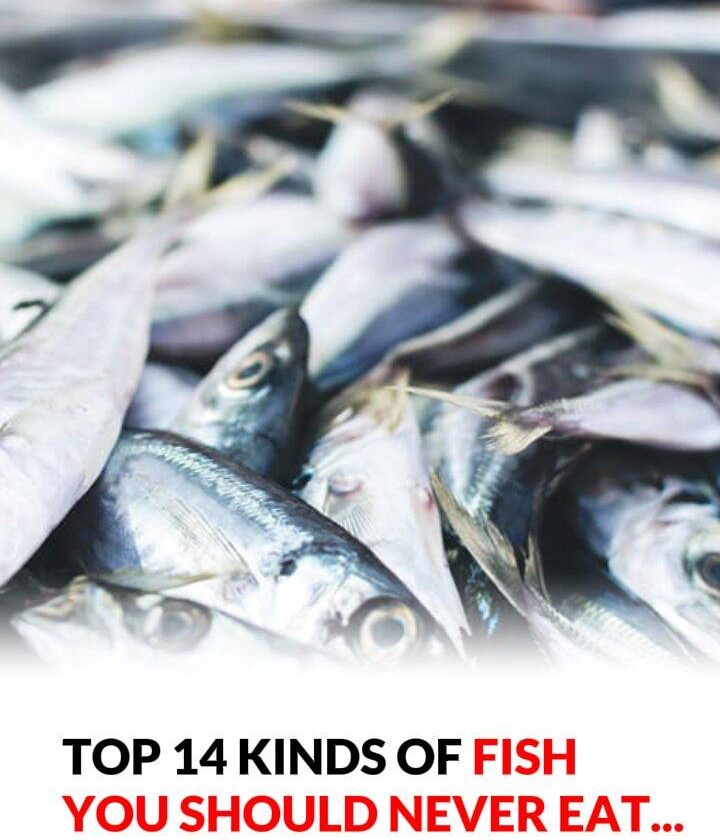
⚠️ “STOP EATING THIS FISH” — What It Usually Refers To
These viral warnings are often aimed at fish that may contain:
- High mercury levels
- Environmental pollutants
- Poor farming conditions
- Misleading labeling
But context matters a lot.
🐟 Fish That May Require Caution (Not Panic)
🧠 1. High-Mercury Predatory Fish
Some large fish naturally accumulate mercury over time.
Examples include:
- Shark
- Swordfish
- King mackerel
- Some large tuna species
High mercury exposure over time can affect the nervous system, especially in pregnant women and children.
🐟 2. Farmed Fish With Poor Quality Control
Some farmed fish may vary in quality depending on regulations and feed standards.
Concerns may include:
- Antibiotic use
- Lower omega-3 content
- Water quality issues
However, many farmed fish are still safe when properly regulated.
🧪 3. Fish From Polluted Waters
Fish caught in contaminated waters may carry:
- Heavy metals
- Industrial pollutants
- Chemical residues
This depends heavily on location and regulation.
🧠 Health Benefits of Fish (Important Balance)
Despite warnings, fish is still widely recommended by health authorities.
The Fish provides:
- High-quality protein
- Omega-3 fatty acids
- Vitamin D
- Iodine and selenium
Major health organizations, including the World Health Organization, still recommend regular fish consumption as part of a balanced diet.
⚖️ The Real Truth
❌ Myth:
“One fish is dangerous for everyone”
✅ Reality:
Risk depends on:
- Species
- Source
- Frequency of consumption
- Portion size
- Individual health status
🧠 Who Should Be More Careful?
Certain groups should be more cautious with high-mercury fish:
- Pregnant women
- Young children
- People with kidney issues
📌 Key Takeaway
There is no single fish that everyone must “stop eating immediately.” However, limiting high-mercury fish like shark and swordfish is sensible, while most common fish remain safe and beneficial.
The Fish remains one of the healthiest protein sources when chosen wisely and eaten in moderation.