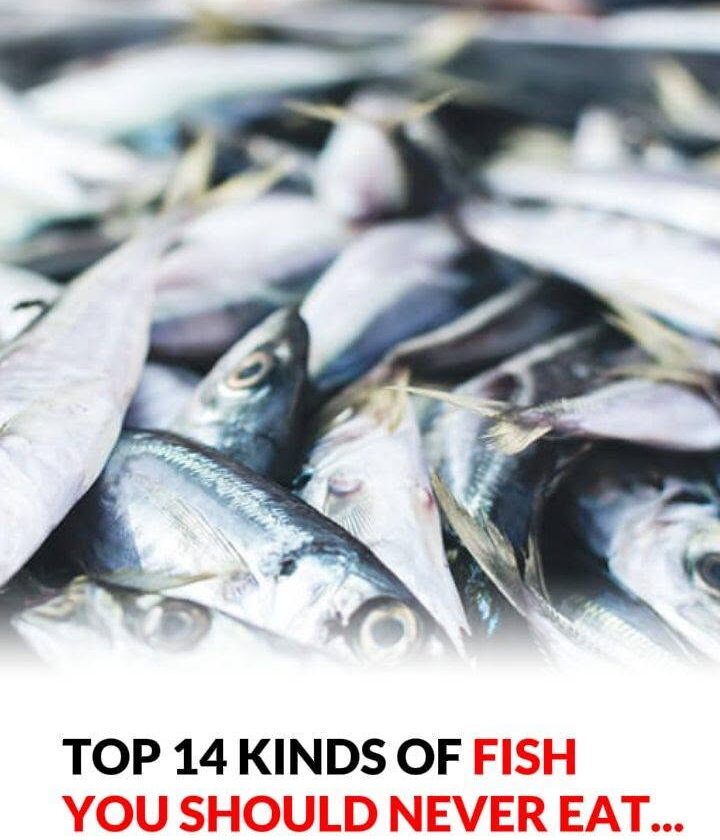
That kind of headline is designed to trigger fear, not give balanced information. In reality, there is no single fish that everyone must “stop eating immediately.” The real issue is which fish, how often, and how it’s sourced/prepared.
Here’s a science-based breakdown:
🐟 When fish can be a concern
Some fish can pose risks mainly due to:
1) High mercury levels
Large predatory fish can accumulate mercury over time.
Examples:
- Shark
- Swordfish
- King mackerel
- Tilefish
Too much mercury can affect the nervous system, especially in pregnant women and young children.
2) Environmental pollutants (PCBs, dioxins)
More common in:
- Certain farmed fish in polluted waters
- Large fatty fish from contaminated regions
3) Poor handling or undercooking
- Raw or undercooked fish can carry parasites or bacteria
- This is a food safety issue, not the fish itself
🐟 Fish that are generally considered safe & healthy
Most commonly eaten fish are actually very beneficial:
- Salmon
- Sardines
- Trout
- Anchovies
- Herring
These are rich in omega-3 fats that support heart and brain health.
⚖️ The real scientific consensus
Health organizations (like WHO and FDA) generally agree:
- Fish is one of the healthiest protein sources
- Benefits usually far outweigh risks
- The key is choosing low-mercury fish and eating variety
🚨 When fish advice becomes clickbait
Be cautious when you see:
- “STOP eating this immediately”
- No mention of specific species or context
- No reference to portion size or risk groups
Real nutrition science is almost always about balance, not total avoidance.