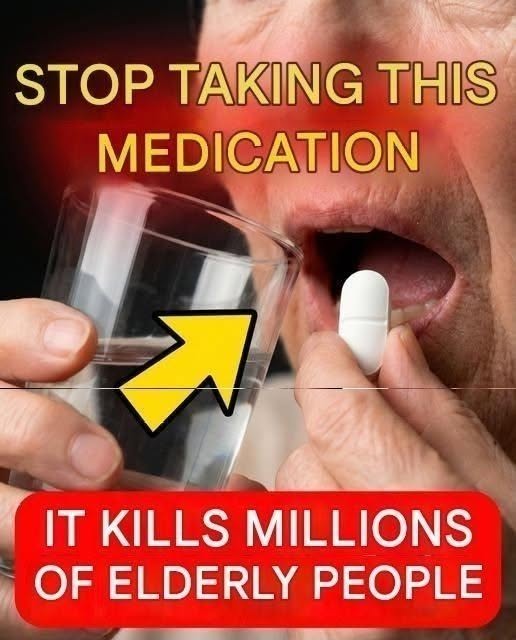
Headlines like “A cardiologist warns: these 5 medications increase the risk of heart attack and stroke in older people” often oversimplify a more nuanced issue. Some medicines can increase cardiovascular risk in certain people, but the risk depends on the person’s health, dose, and how long the medicine is used. Many of these medicines are appropriate and beneficial when prescribed correctly.
Examples of medicines that may warrant caution in some older adults include:
- NSAID painkillers (such as ibuprofen and diclofenac)
- Long-term or high-dose use has been linked to an increased risk of heart attack and stroke, particularly in people with existing cardiovascular disease or risk factors.
- Some decongestants (such as pseudoephedrine)
- These can raise blood pressure and heart rate, so they may not be suitable for people with hypertension or heart disease.
- Certain hormone therapies
- Some forms of hormone replacement therapy (HRT) or hormonal medications may slightly increase the risk of blood clots or stroke in some people, although the risk varies depending on the type, dose, and route of administration.
- Some stimulants
- Medicines used to treat conditions such as ADHD can increase heart rate and blood pressure and may require careful monitoring in older adults or those with heart disease.
- Some COX-2 selective anti-inflammatory drugs
- Certain medicines in this class have been associated with an increased risk of cardiovascular events, especially at higher doses or with prolonged use.
Important context
- Do not stop a prescribed medication because of a headline. Abruptly stopping some medicines can be more dangerous than continuing them.
- Healthcare professionals weigh the benefits and risks before prescribing, especially for older adults.
- If you have heart disease, high blood pressure, diabetes, or a previous stroke, it’s sensible to have your medicines reviewed periodically.
If you have a screenshot or link to the article, I can explain whether the specific claims are supported by medical evidence and put the risks into context.