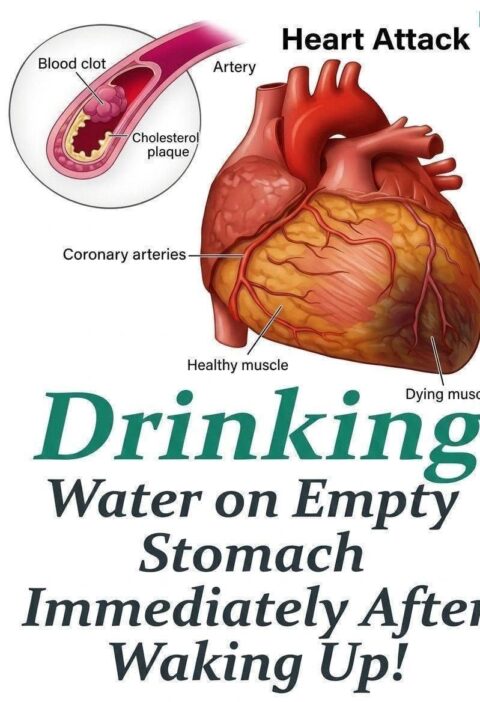
A headline like “WARNING! THESE TABLETS CAN CAUSE BLOOD CLOTS, BLOOD THROMBOSIS, AND HEART ATTACKS” is too vague to evaluate on its own. Many different medications can affect clotting or cardiovascular risk, but the actual risk depends on which tablets are being discussed, the dose, and the person taking them.
Examples of medications that may increase the risk of blood clots or cardiovascular events in some people include:
- Certain hormonal contraceptives containing estrogen.
- Some hormone replacement therapies (HRT).
- Certain medications used for inflammatory or autoimmune conditions.
- Some cancer treatments.
- Certain pain relievers (NSAIDs) may increase the risk of heart attack or stroke, especially with long-term use or in people with existing cardiovascular disease.
It’s important to remember:
- A medication having a listed risk does not mean most people who take it will develop blood clots or have a heart attack.
- The benefits of a medication may outweigh its risks for many patients.
- Never stop a prescribed medication solely because of a headline or social media post.
Seek urgent medical attention if you have symptoms of a blood clot, heart attack, or stroke, such as:
- Sudden chest pain or pressure
- Shortness of breath
- Swelling, pain, warmth, or redness in one leg
- Sudden weakness or numbness on one side of the body
- Difficulty speaking
- Sudden vision changes
If you tell me the name of the tablet or medication, I can explain the known risks, who is most affected, and what the evidence says.