How to Get Rid of Milia: Those Annoying White Bumps
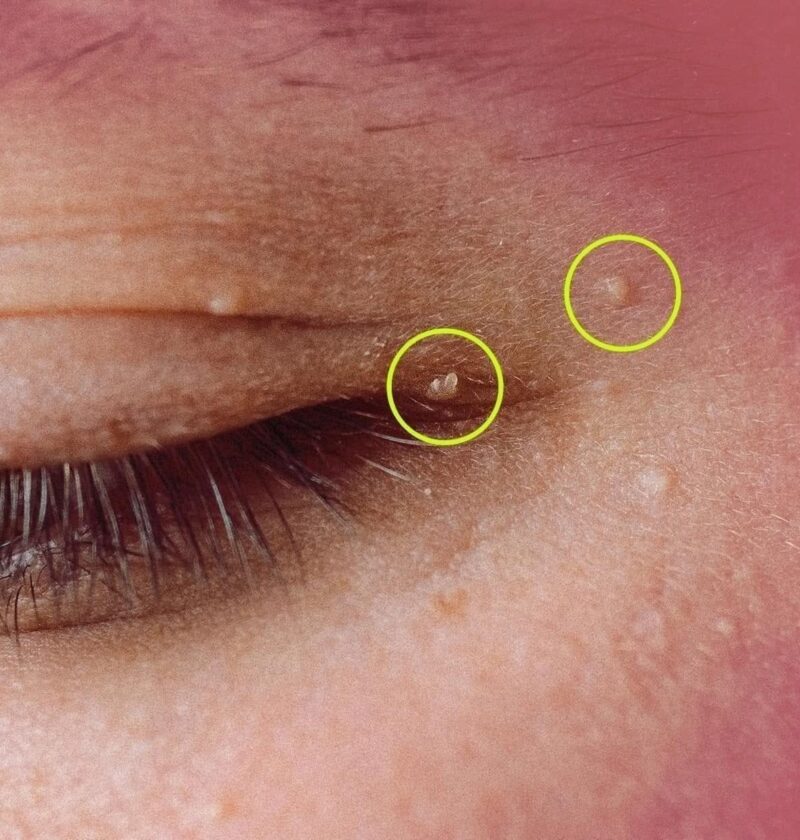
Milia are tiny, firm, white or yellowish bumps that commonly appear on the face, especially around the eyes, cheeks, nose, and forehead. Despite what they’re often called online, milia are not fat cysts. They are small cysts filled with keratin, a protein found in skin, hair, and nails.
They are harmless and very common in both children and adults.
What Causes Milia?
Milia form when dead skin cells (keratin) become trapped beneath the skin’s surface. They may develop:
- Without any obvious cause
- After skin injuries or burns
- Following certain skin treatments
- From prolonged use of heavy creams in some people
Can You Remove Milia at Home?
It’s best not to squeeze, pick, or try to pop milia. Unlike pimples, they don’t have an opening, and trying to remove them yourself can cause:
- Skin damage
- Infection
- Scarring
Safe Ways to Help Prevent or Reduce Milia
1. Cleanse Gently
Wash your face daily with a mild cleanser to remove dirt and excess oil without irritating the skin.
2. Exfoliate Carefully
Gentle exfoliation once or twice a week may help prevent dead skin cells from building up. Avoid harsh scrubs, especially around the eyes.
3. Use Retinoids if Appropriate
Over-the-counter retinol or prescription retinoids may help reduce milia in some adults by promoting skin cell turnover. These products can irritate the skin and are not suitable for everyone, including many people who are pregnant.
4. Choose Non-Comedogenic Products
If you’re prone to milia, opt for skincare and cosmetics labelled non-comedogenic, which are less likely to clog pores.
Professional Treatment
If milia are persistent or bothersome, a dermatologist or other trained healthcare professional can remove them safely using sterile instruments. This is usually a quick procedure and should not be attempted at home.
When to See a Doctor
Seek medical advice if:
- The bumps are changing in appearance.
- They become painful, red, or swollen.
- They spread rapidly.
- You’re unsure whether they are milia or another skin condition.
- Home skincare measures haven’t helped and you’d like them removed.