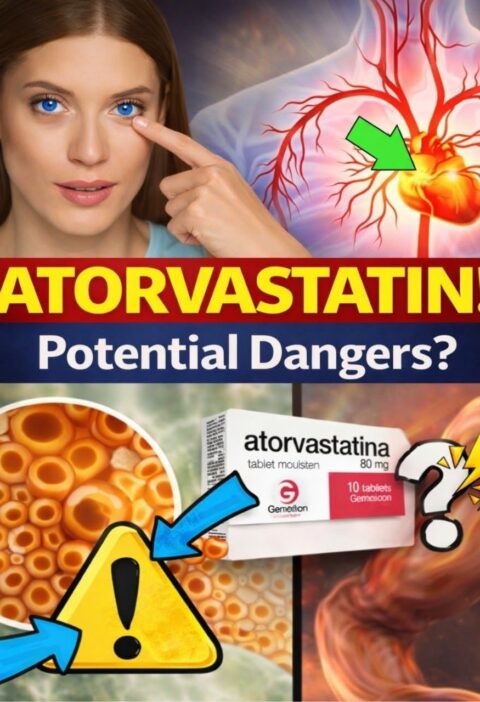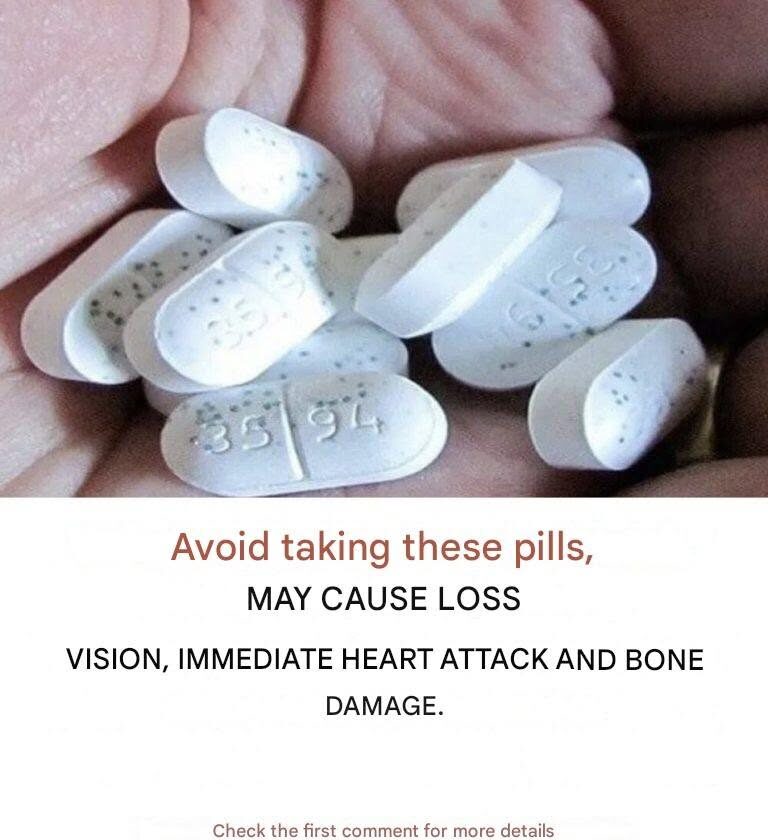
That kind of headline is fear-based and usually misleading without context.
No tablets “automatically cause blood clots, thrombosis, and heart attacks” in most people. What is true is that some medications can slightly increase risk in certain individuals, depending on dose, health conditions, and duration of use.
🧠 What’s really going on
Blood clots (thrombosis) and heart attacks usually result from:
- Existing heart or vessel disease
- High blood pressure
- Diabetes
- Smoking
- High cholesterol
- Genetics and lifestyle factors
Medications are rarely the sole cause—they may be a risk modifier, not a direct trigger.
💊 Medicines sometimes linked to increased clot risk (in specific cases)
1. Hormonal contraceptives / estrogen therapy
Can slightly increase clot risk in some women, especially with smoking or age.
Combined oral contraceptive pill
2. Some hormone replacement therapies
Used in menopause treatment; risk depends on type and dose.
3. Certain cancer treatments
Some chemotherapy drugs can increase clotting tendency due to disease + treatment effects.
4. Steroid use (long-term or high dose)
Can indirectly raise cardiovascular risk factors (blood pressure, sugar).
5. Some newer medications (rare cases)
A few drugs may have clot warnings based on limited data or specific patient groups—but this varies widely.
⚠️ Important reality check
- For most approved medications, the absolute risk is low
- Doctors prescribe them because benefits outweigh risks
- Risk is usually higher from the underlying disease being treated, not the medicine itself
🚨 When to actually worry
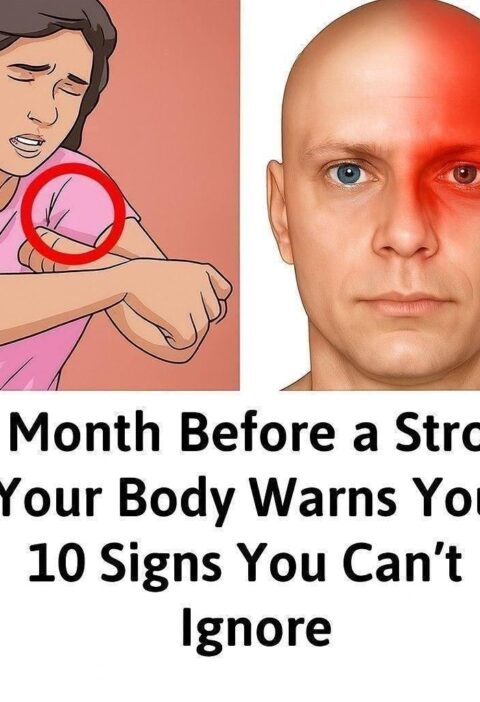
Seek medical attention if you notice symptoms of a clot:
- Sudden leg swelling or pain
- Chest pain or shortness of breath
- Sudden weakness or speech trouble
(These are medical emergencies, regardless of cause.)
🧠 Bottom line
There is no universal “danger tablet list.” Some medications can slightly increase clot risk in certain people, but headlines like this exaggerate and lack context.
If you want, I can break down which medications are truly high-risk vs commonly safe ones, or explain early warning signs of a blood clot in simple terms.