Amlodipine is a commonly prescribed calcium channel blocker used to treat high blood pressure (hypertension) and some types of chest pain (angina). Many people tolerate it well, but side effects can occur.
12 Common Side Effects of Amlodipine to Watch For
- Swelling in the ankles or feet (edema)
- One of the most common side effects, caused by fluid buildup in tissues.
- Dizziness
- May occur, especially when standing up quickly, as blood pressure lowers.
- Flushing
- Some people experience warmth or redness of the face.
- Headache
- Can happen when the body adjusts to the medication.
- Tiredness or fatigue
- Some people notice reduced energy.
- Palpitations (feeling your heartbeat)
- A sensation of a faster or stronger heartbeat may occur.
- Nausea
- Digestive discomfort can happen in some users.
- Abdominal discomfort
- Mild stomach upset may occur.
- Sleepiness
- Some people feel drowsy, especially after starting treatment.
- Muscle cramps or weakness
- Less common but possible.
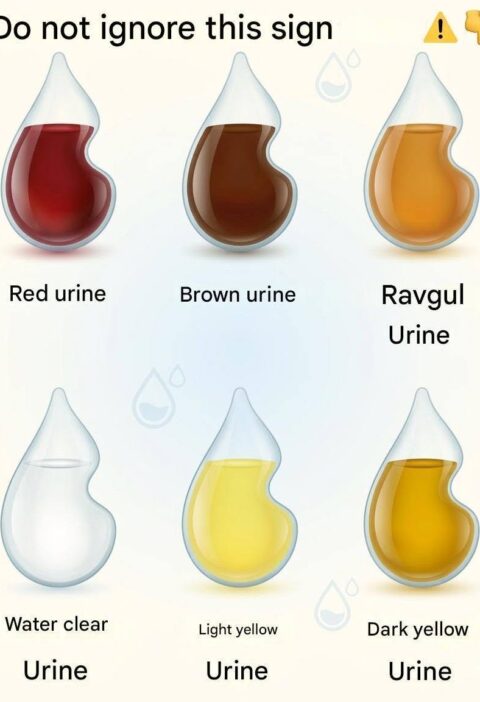
- Changes in urination
- Some people notice changes, though this is not among the most frequent effects.
- Gum enlargement (gingival overgrowth)
- A less common effect that may improve with good oral hygiene and dental care.
Contact a healthcare professional promptly if you notice:
- Severe dizziness or fainting
- Chest pain that is new or worsening
- Severe swelling, especially if sudden
- Signs of an allergic reaction (facial swelling, difficulty breathing, widespread rash)
Do not stop amlodipine suddenly without medical advice, because uncontrolled blood pressure can increase health risks.
If you take amlodipine, it can help to know your dose (for example, 5 mg or 10 mg), how long you have been taking it, and which side effects you are experiencing.