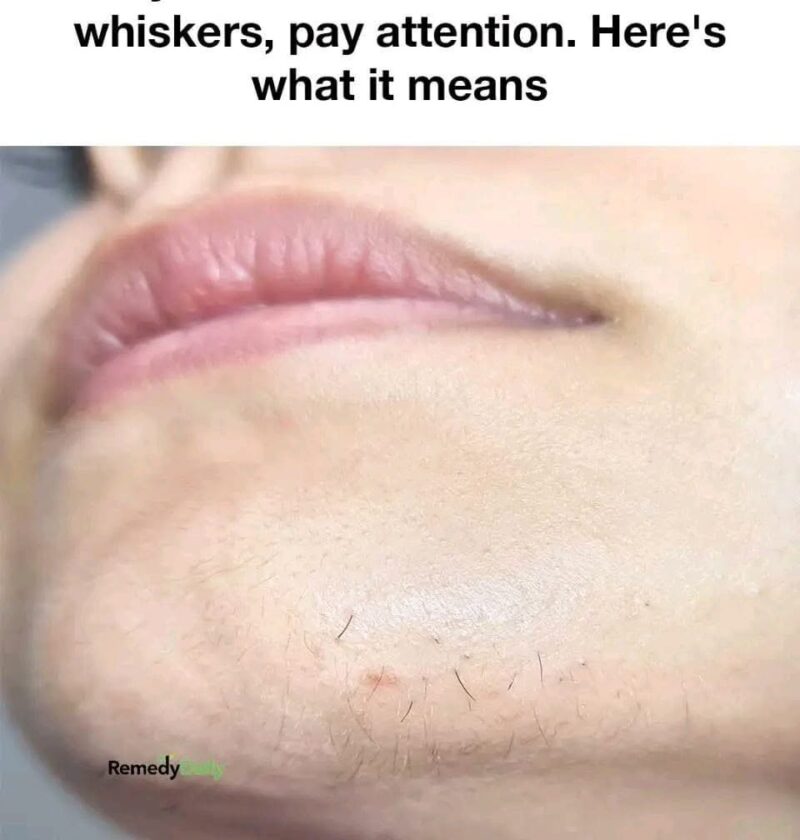
What Chin Whiskers Could Be Telling You About Your Health
Finding a few coarse hairs on the chin is very common, especially as people age. In many cases, chin whiskers are a normal result of hormonal changes and don’t indicate a serious health problem.
That said, sometimes changes in facial hair growth can provide clues about underlying health conditions.
Common causes of chin whiskers
1. Normal aging
As women age, particularly after menopause, levels of estrogen decrease relative to androgens (male-type hormones). This can lead to:
- More noticeable chin hairs
- Coarser facial hair
- Slower scalp hair growth
This is often a normal part of aging.
2. Genetics
Some people are simply more likely to develop facial hair due to inherited traits.
3. Hormonal changes
Changes in hormone levels can increase facial hair growth, especially if accompanied by other symptoms.
When chin whiskers may warrant medical attention
Excessive facial hair growth
If facial hair appears suddenly or increases rapidly, it may be related to conditions such as:
- Polycystic Ovary Syndrome
- Hormonal disorders affecting the adrenal glands or ovaries
Other symptoms to watch for
Consider discussing the issue with a healthcare professional if facial hair growth is accompanied by:
- Irregular menstrual periods
- Acne
- Deepening of the voice
- Thinning scalp hair
- Unexplained weight gain
- Difficulty becoming pregnant
What chin whiskers do NOT reliably indicate
A few chin hairs do not reliably diagnose:
- Liver disease
- Kidney disease
- Cancer
- Vitamin deficiencies
These claims frequently appear in viral social media posts but are not supported by medical evidence.
Managing unwanted chin hair
Common options include:
- Tweezing
- Waxing
- Threading
- Laser hair removal
- Prescription treatments in some cases
The best option depends on how much hair is present and