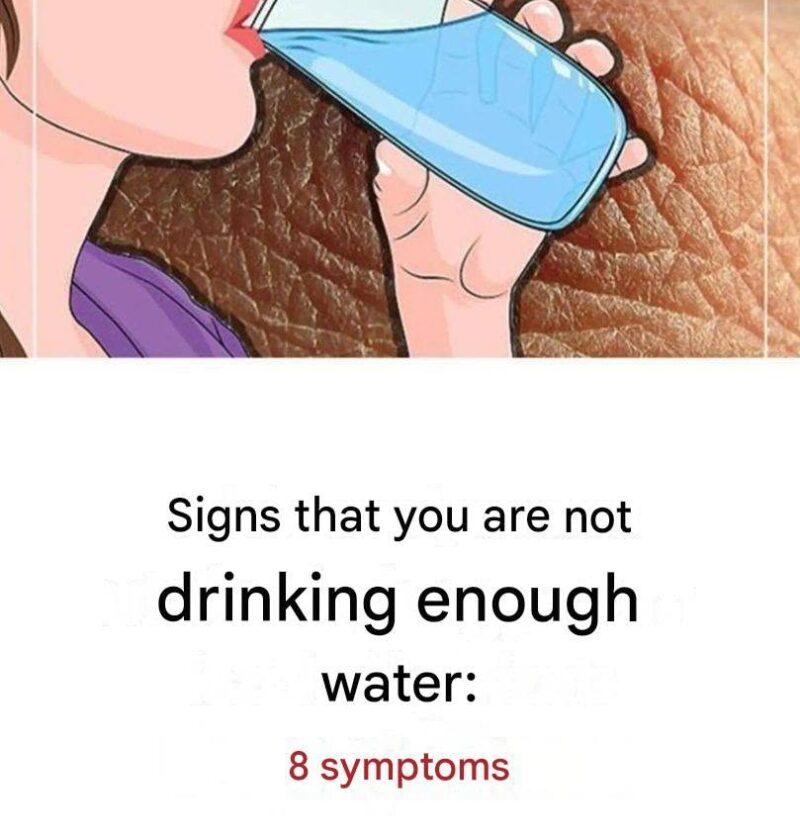
Not drinking enough water can lead to dehydration, which affects nearly every system in the body. The effects depend on how much fluid you lose and how long you go without replacing it.
What can happen when you don’t drink enough water:
- Thirst and dry mouth
- Your body’s early warning signals that it needs more fluids.
- Dark-colored urine and less frequent urination
- The kidneys conserve water, making urine more concentrated.
- Fatigue and low energy
- Even mild dehydration can make you feel tired or sluggish.
- Headaches and dizziness
- Reduced fluid levels can affect blood volume and brain function.
- Difficulty concentrating
- Dehydration may affect attention, mood, and mental performance.
- Constipation
- The body pulls more water from stool, making it harder to pass.
- Muscle cramps
- Fluid and electrolyte imbalances can contribute to cramps and weakness.
- Dry skin and reduced sweating
- The body may conserve water, making it harder to regulate temperature.
- Faster heartbeat
- The heart may work harder when blood volume decreases.
- Overheating
- Less sweating can make it harder for the body to cool itself, especially during exercise or hot weather.
Severe dehydration can cause:
- Confusion
- Fainting
- Very little or no urination
- Rapid heartbeat or breathing
- Low blood pressure
- Serious strain on the kidneys and other organs
How much water do you need?
Needs vary based on age, body size, activity level, climate, diet, and health conditions. A practical sign of adequate hydration is pale yellow urine and feeling normally energized, though some people (such as those with certain heart, kidney, or liver conditions) may need individualized fluid advice.
If you’re thirsty, your body is already signaling that it needs fluids—drink water regularly rather than waiting until you feel very dehydrated.