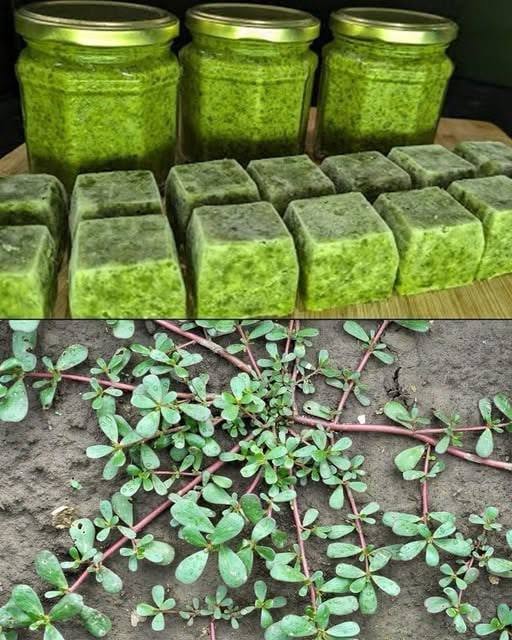
Eating purslane regularly can have some potential health benefits, including for older adults, but it is not a cure-all. Purslane (Portulaca oleracea) is a leafy green plant that has been eaten in many cuisines and is notable for its nutrients.
Possible effects of eating purslane regularly:
- More omega-3 fatty acids: Purslane is one of the few leafy plants that contains alpha-linolenic acid (ALA), a plant-based omega-3 fat that supports general heart health.
- More antioxidants: It contains compounds such as vitamins and polyphenols that help protect cells from oxidative stress.
- Support for heart health: Its fiber, minerals, and plant compounds may contribute to healthier cholesterol and blood pressure patterns when part of a balanced diet.
- Better digestion: The fiber content can support regular bowel movements and gut health.
- Blood sugar effects: Some studies suggest purslane may modestly affect blood sugar control, but it should not replace diabetes treatment.
- Minerals and hydration: It provides nutrients such as magnesium and potassium, which are important for muscle, nerve, and cardiovascular function.
Things to be careful about (especially after 60)
- Kidney stones: Purslane is relatively high in oxalates, which may be a concern for people prone to calcium oxalate kidney stones or with certain kidney problems.
- Medication interactions: If you take blood thinners, blood pressure medicines, or diabetes medicines, discuss major diet changes with a healthcare professional.
- Food safety: Eat it from a clean source and wash it well, especially if it grows near roadsides or may be contaminated.
A reasonable approach is to enjoy purslane as part of a varied diet (salads, cooked greens, soups, or yogurt-based dishes), rather than relying on it as a treatment for diseases.
If you’re asking because of a specific goal—blood pressure, diabetes, cholesterol, joint pain, immunity, or aging after 60—I can tailor the information to that.