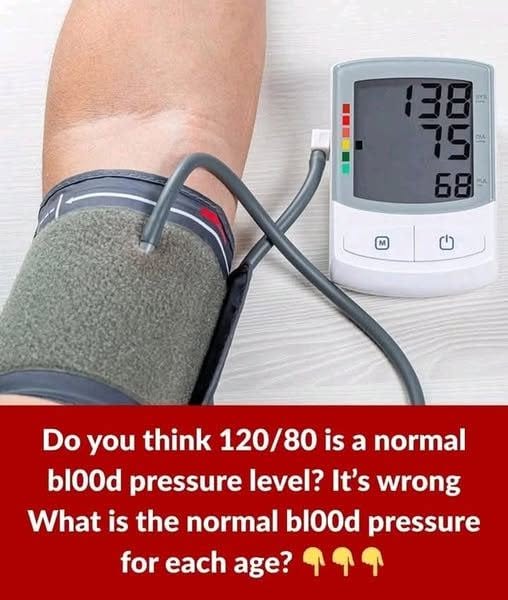
What Is the Normal Blood Pressure for Each Age?
Blood pressure does not have one exact “normal” number for every age. A healthy blood pressure range depends on factors such as overall health, medications, activity level, and medical conditions. In general, most adults aim for a blood pressure below 120/80 mmHg.
Blood pressure is written as:
- Systolic pressure (top number): Pressure when the heart beats
- Diastolic pressure (bottom number): Pressure when the heart relaxes
General Blood Pressure Ranges by Age
| Age Group | Typical Healthy Range (Approximate) |
|---|---|
| Children (varies by height and age) | Lower than adult ranges; assessed using pediatric charts |
| Teens (13–17 years) | Around 90–120 / 60–80 mmHg |
| Adults (18–39 years) | Around 90–120 / 60–80 mmHg |
| Adults (40–59 years) | Around 90–130 / 60–80 mmHg |
| Adults 60+ years | Often individualized; many guidelines aim for below 130/80 mmHg if tolerated |
Blood Pressure Categories for Adults
| Category | Systolic (Top) | Diastolic (Bottom) |
|---|---|---|
| Normal | Less than 120 | Less than 80 |
| Elevated | 120–129 | Less than 80 |
| High Blood Pressure Stage 1 | 130–139 | 80–89 |
| High Blood Pressure Stage 2 | 140 or higher | 90 or higher |
| Hypertensive Crisis | 180 or higher | 120 or higher |
What Is a Good Blood Pressure for Older Adults?
Many older adults do well with readings near:
- 120–130 / 70–80 mmHg
However, a healthcare professional may set a different goal depending on:
- Frailty
- Risk of falls
- Kidney disease
- Heart disease
- Diabetes
- Medications being used
A blood pressure that is “too low” can also be a concern if it causes:
- Dizziness
- Fainting
- Weakness
- Falls