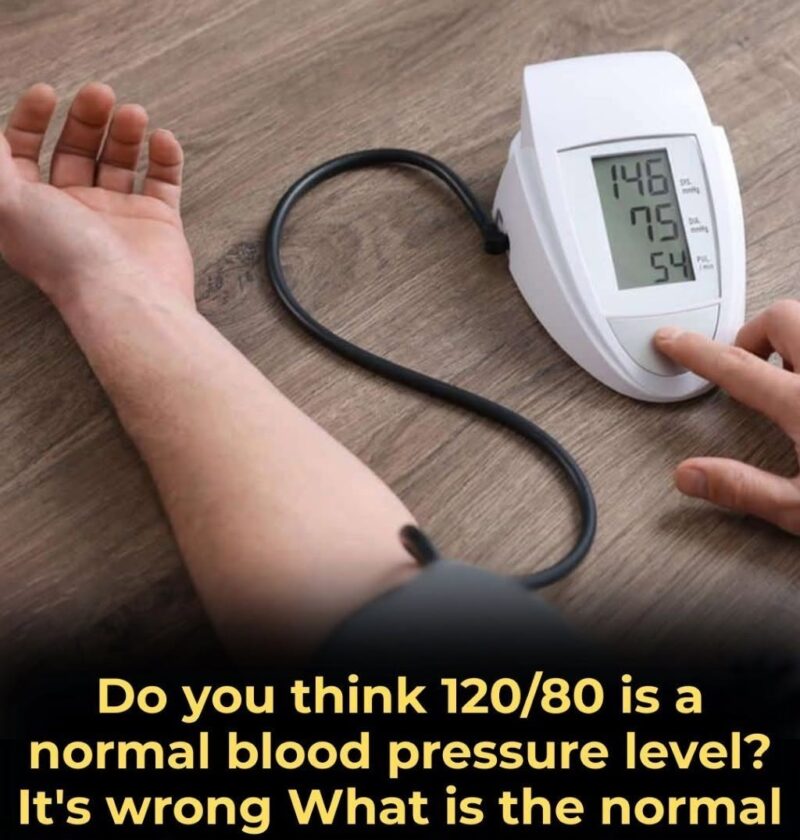
“Normal blood pressure by age” is a common question, but medically there isn’t a different “normal” for every age group in adults. Instead, doctors use a general target range, with some adjustments for children and older adults.
Blood pressure is measured in:
- Systolic (top number)
- Diastolic (bottom number)
Adults (18+ years)
For most adults, including older adults:
Normal blood pressure:
- Around 120/80 mmHg
Current medical guideline categories:
- Normal: Less than 120 / 80
- Elevated: 120–129 / less than 80
- High (Stage 1): 130–139 / 80–89
- High (Stage 2): 140+ / 90+
- Crisis: 180+ / 120+ (emergency)
So even in older age, 130/80 is not considered “normal,” just common.
Children & teenagers (approximate ranges)
Normal varies by height, sex, and age:
- Newborns: ~60–90 / 20–60
- Infants: ~80–100 / 40–70
- Children (6–12): ~90–110 / 50–75
- Teens: closer to adult range (~110–120 / 60–80)
Doctors use percentiles, not fixed numbers, for children.
Older adults (60+)
- Ideal still around 120/80
- Slightly higher readings are more common due to stiffening arteries
- But consistently 140/90+ is still considered high blood pressure
Important reality check
- There is no “safe high blood pressure because of age”
- Risk of stroke, heart disease, and kidney problems increases even if high BP is “common”
When to worry
Seek medical advice if:
- BP is consistently above 130/80
- You have headaches, chest pain, dizziness, or shortness of breath
- Readings suddenly spike much higher than usual
If you want, I can also show:
- How to correctly measure blood pressure at home
- Natural ways to lower it safely
- Or a simple diet plan for BP control (like DASH-style eating)