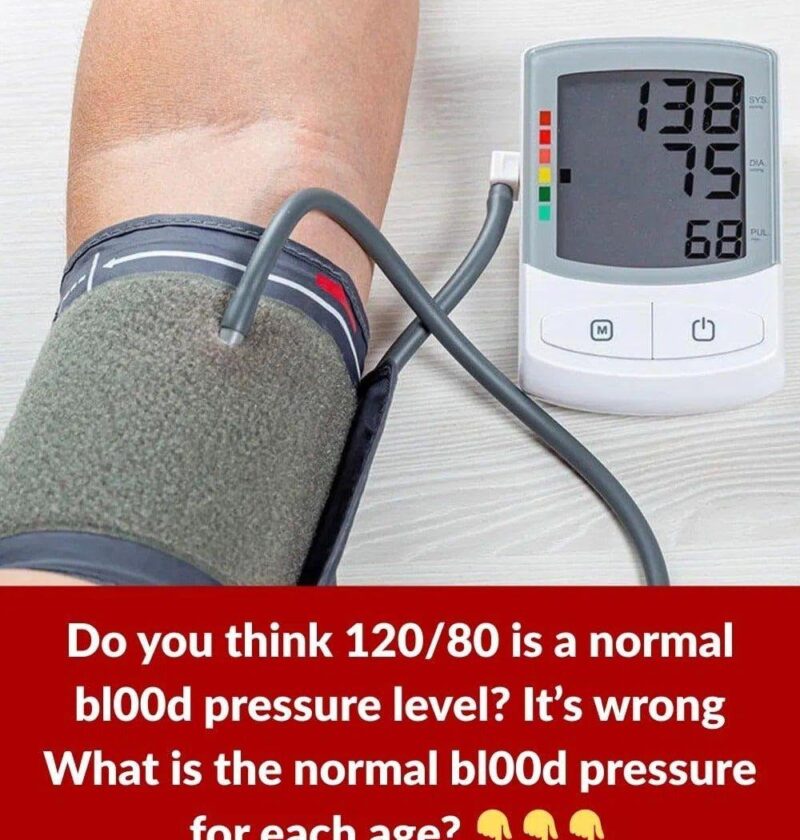
Blood pressure doesn’t have a perfectly different “normal number for every age,” but it does tend to change slightly with age. Modern medical guidelines (including those used worldwide) now mostly use the same adult targets, with only small differences for children and older adults.
Here’s a clear, practical breakdown.
🩺 What is “normal” blood pressure?
Blood pressure is written as:
- Systolic (top number) = pressure when heart beats
- Diastolic (bottom number) = pressure when heart rests
Example: 120/80 mmHg
👶 Children (1–12 years)
Normal BP depends on height and age, so ranges vary:
- Normal: ~90/60 to 110/70 mmHg
- Doctors don’t use one fixed number for all kids
- They use percentile charts instead
👉 General idea: lower than adults
🧑 Teenagers (13–18 years)
- Normal: around 110/70 to 120/80 mmHg
- Borderline: 120–129 / <80
- High: ≥130/80 (in older teens, similar to adults)
🧑 Adults (18–59 years)
This is the standard medical reference:
✅ Normal:
- Below 120/80 mmHg
⚠️ Elevated:
- 120–129 / <80
⚠️ High blood pressure (Hypertension):
- Stage 1: 130–139 / 80–89
- Stage 2: ≥140 / ≥90
👴 Older adults (60+ years)
Older people often have slightly higher readings due to stiff blood vessels.
Still considered healthy:
- Around 120–130 / 70–80 mmHg
Acceptable in many older patients:
- Up to 130–139 systolic (depending on doctor’s advice)
High:
- ≥140/90 mmHg
👉 Important: Doctors often avoid lowering BP too much in elderly to prevent dizziness or falls.
🧠 Key modern medical point
There is no “ideal BP that increases with age” anymore in guidelines.
Instead:
- Goal for most adults: below 120–130 / 80
- Adjusted individually for older or sick patients
⚠️ Low blood pressure (all ages)
- Below 90/60 mmHg
May cause: - dizziness
- fainting
- weakness
(Some people naturally have low BP and feel fine.)
🚨 When blood pressure is dangerous
Seek medical help if:
- Above 180/120 mmHg (hypertensive crisis)
- With chest pain, headache, vision issues, or breathlessness
🧾 Simple summary
- 👶 Kids: ~90/60–110/70
- 🧑 Teens: ~110/70–120/80
- 🧑 Adults: <120/80 ideal
- 👴 Elderly: ~120–130/70–80 often acceptable
🧠 Bottom line
The most important number today is:
Below 120/80 mmHg is generally healthy for most people
Age matters less than overall heart and vessel health.
If you want, I can also give you:
- A chart of “danger vs normal BP readings”
- How to naturally lower blood pressure without medicine
- Or how to properly measure BP at home (many people do it wrong)