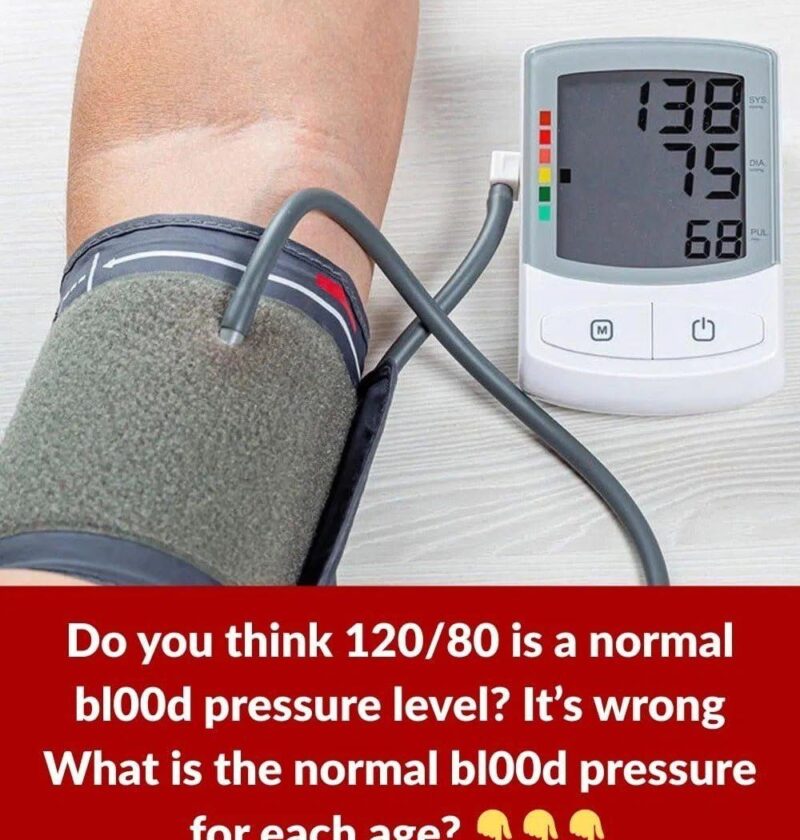
Normal Blood Pressure by Age — Complete Medical Guide (With Age-Wise Chart)
Understanding Blood Pressure First
Blood pressure is the force of blood pushing against the walls of your arteries. It is measured using two numbers:
- Systolic pressure (top number): pressure when the heart beats
- Diastolic pressure (bottom number): pressure when the heart rests
A normal reading helps ensure your heart, brain, and kidneys are getting proper blood flow.
Blood pressure can change throughout life due to age, activity level, stress, diet, and overall health. However, there are generally accepted healthy ranges for different age groups.
Normal Blood Pressure by Age Group
1. Newborns (0–1 month)
- Normal range: 60–90 / 20–60 mmHg
Newborn blood pressure is naturally low because their circulatory system is still developing.
2. Infants (1 month–1 year)
- Normal range: 70–100 / 30–65 mmHg
Blood pressure gradually increases as the heart and blood vessels grow stronger.
3. Toddlers (1–3 years)
- Normal range: 80–110 / 40–70 mmHg
At this stage, activity levels increase, and so does circulation strength.
4. Children (4–12 years)
- Normal range: 90–120 / 50–80 mmHg
Healthy children often show readings closer to adult levels as they grow.
5. Teenagers (13–18 years)
- Normal range: 100–130 / 60–85 mmHg
Hormonal changes and growth spurts can slightly affect readings.
6. Adults (19–40 years)
- Ideal normal: around 110–120 / 70–80 mmHg
For most healthy adults, anything below 120/80 mmHg is considered optimal.
7. Middle Age (41–60 years)
- Normal range: 110–130 / 70–85 mmHg
Blood pressure may gradually rise due to lifestyle, stress, or reduced vessel elasticity.
8. Older Adults (60+ years)
- Normal range: 120–140 / 70–90 mmHg
A slightly higher systolic number is common with aging arteries, but consistently high readings may indicate risk.