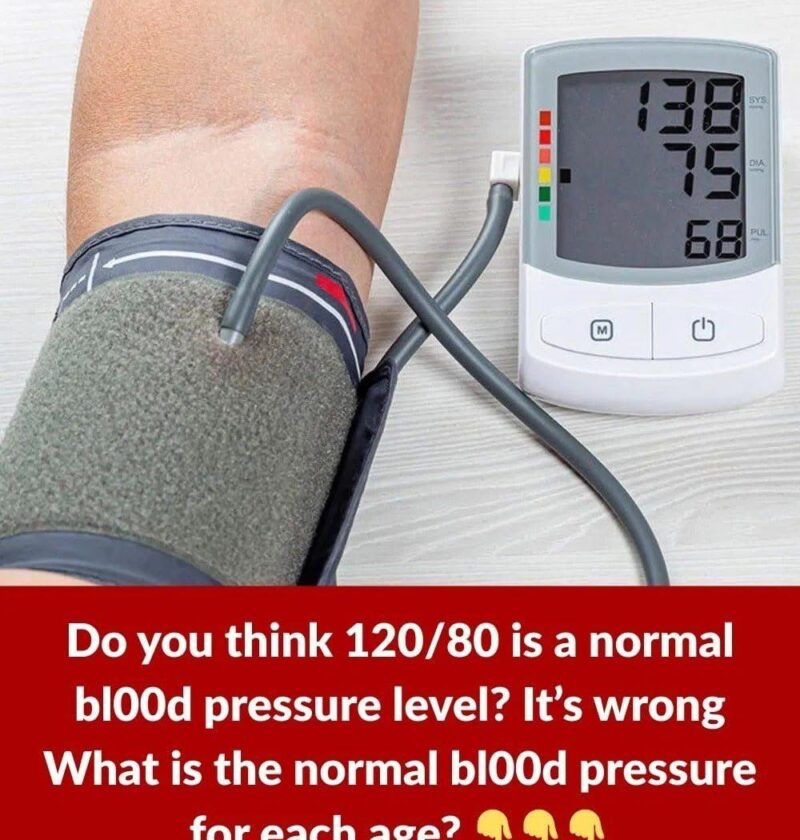
There is not a different “normal” blood pressure for every age in adults. Modern medical guidelines generally use the same categories for most adults, regardless of age.
| Category | Systolic (top number) | Diastolic (bottom number) |
|---|---|---|
| Normal | Less than 120 | Less than 80 |
| Elevated | 120–129 | Less than 80 |
| High blood pressure (Stage 1) | 130–139 | 80–89 |
| High blood pressure (Stage 2) | 140 or higher | 90 or higher |
| Hypertensive crisis (needs immediate medical attention) | 180 or higher | 120 or higher |
By age
While blood pressure tends to increase with age, the goal for healthy adults is generally still below 120/80 mmHg, or at least below 130/80 mmHg for many people with conditions such as diabetes, kidney disease, or cardiovascular disease.
Typical ranges often seen in healthy adults are:
- 18–39 years: Around 90/60 to 120/80 mmHg
- 40–59 years: Often below 130/80 mmHg
- 60 years and older: Many healthy older adults also aim for below 130/80 mmHg, although healthcare providers may individualize targets based on overall health, frailty, medications, and risk of falls.
When to seek medical advice
- A single high reading doesn’t necessarily mean you have high blood pressure. It’s best to measure it several times on different days while resting.
- If your blood pressure is 180/120 mmHg or higher, especially if accompanied by symptoms such as chest pain, severe headache, shortness of breath, vision changes, or weakness, seek emergency medical care.
If you’d like, I can also explain how to measure blood pressure correctly at home or help interpret your own blood pressure readings.