Normal Blood Pressure by Age: What Is Considered Healthy?
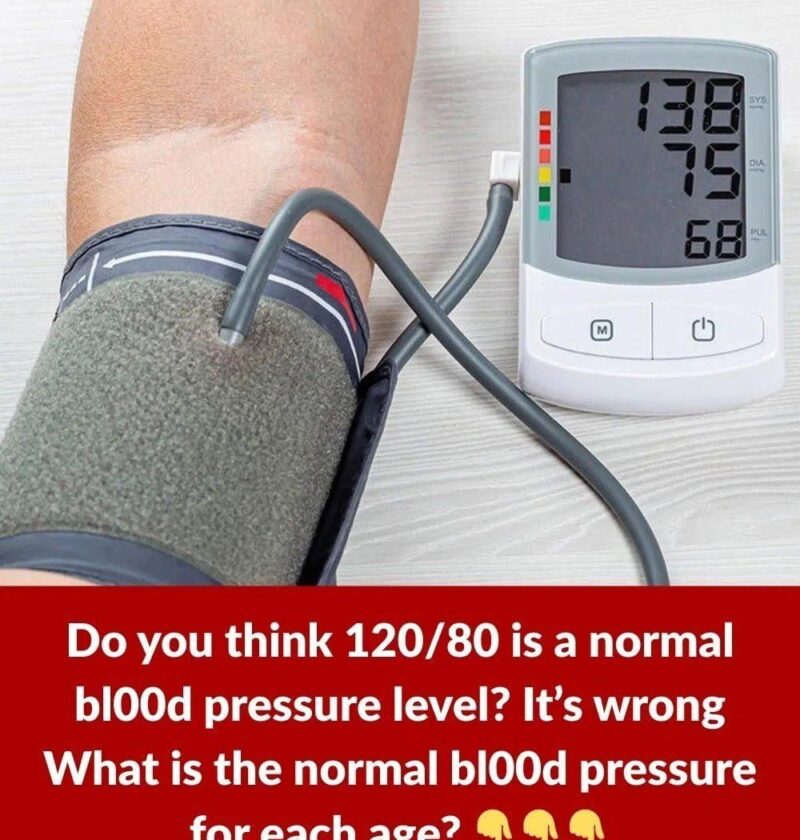
Blood pressure does not have a completely different “normal” value for every age, but it tends to rise slightly as people get older. For most adults, a healthy blood pressure is generally around:
Normal adult blood pressure:
- Systolic (top number): Less than 120 mmHg
- Diastolic (bottom number): Less than 80 mmHg
A common guide by age group:
| Age Group | Typical Healthy Blood Pressure Range* |
|---|---|
| Children (6–12 years) | About 100–120 / 60–75 mmHg (varies by height and development) |
| Teenagers (13–18 years) | About 110–130 / 65–80 mmHg |
| Adults (18–39 years) | Around 110–130 / 70–80 mmHg |
| Adults (40–59 years) | Around 120–135 / 70–85 mmHg |
| Adults (60+ years) | Often around 120–140 / 70–85 mmHg (individual targets vary) |
*These are general ranges. A healthcare professional may recommend a different target depending on health conditions.
Blood Pressure Categories (Adults)
- Normal: Below 120/80
- Elevated: 120–129 systolic and below 80 diastolic
- High blood pressure (Stage 1): 130–139 systolic or 80–89 diastolic
- High blood pressure (Stage 2): 140+ systolic or 90+ diastolic
- Hypertensive crisis: 180/120 or higher (requires urgent medical attention, especially with symptoms)
Factors That Affect Blood Pressure
Your reading can change because of:
- Stress or anxiety
- Exercise
- Caffeine
- Smoking
- Salt intake
- Sleep quality
- Medications
- Weight and activity level
- Kidney health and other medical conditions
How to Measure More Accurately
- Rest quietly for about 5 minutes before checking.
- Sit with your back supported and feet flat on the floor.
- Keep your arm at heart level.
- Take multiple readings at different times rather than relying on one measurement.
If you share your age, blood pressure reading (for example 135/85), and whether you have diabetes, kidney disease, or take blood pressure medicine, I can help interpret what it means.