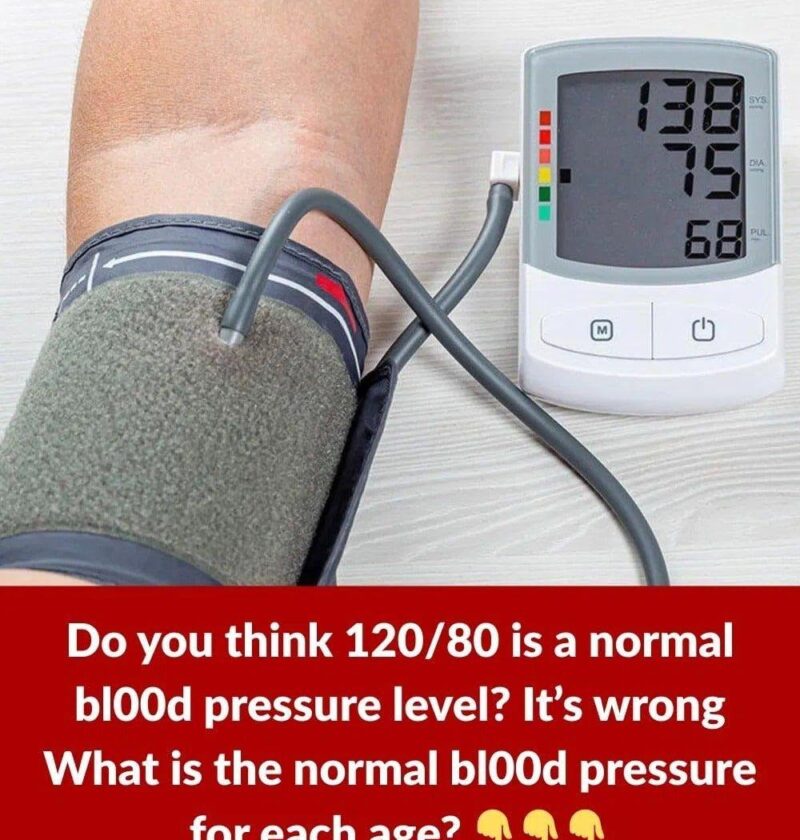
What Is the Normal Blood Pressure for Each Age?
Blood pressure does not have one exact “normal” number for every age. In general, healthy blood pressure targets are similar for most adults, but doctors consider age, health conditions, and medications when deciding what is best.
General Blood Pressure Guide (Adults)
| Age Group | Common Healthy Range (Approx.) |
|---|---|
| 18–39 years | Around 90/60 to 120/80 mmHg |
| 40–59 years | Around 90/60 to 120/80 mmHg |
| 60–79 years | Often around below 130/80 mmHg is considered a common treatment goal for many people |
| 80+ years | Targets may be individualized based on overall health and medical advice |
Blood Pressure Categories (Adults)
- Normal: Less than 120/80 mmHg
- Elevated: 120–129 / less than 80 mmHg
- High blood pressure (Stage 1): 130–139 or 80–89 mmHg
- High blood pressure (Stage 2): 140 or higher or 90 or higher
Remember:
- A single high reading does not always mean you have high blood pressure. Stress, pain, caffeine, exercise, and illness can temporarily raise it.
- Measuring correctly matters: sit quietly for a few minutes, keep your arm supported, and take multiple readings.
- Very low blood pressure can also be a concern if it causes dizziness, fainting, or weakness.
If you share your age and your blood pressure reading (for example, 135/85), I can help explain what it means.