Most floaters are harmless and become more common with age, but some can signal a serious eye problem that needs prompt medical attention.
What Are Eye Floaters?
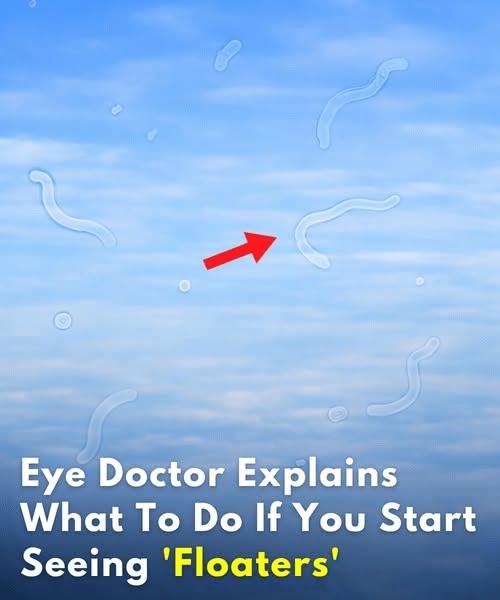
Floaters usually occur when the gel-like substance inside the eye (the vitreous) changes with age. Small clumps or strands form within the vitreous and cast shadows on the retina, creating the appearance of floating spots.
Many people experience floaters at some point, especially after age 50.
When Floaters Are Usually Not an Emergency
Floaters are often harmless if:
- They have been present for a long time without changing
- There are only a few of them
- They do not affect your vision significantly
- They are not accompanied by flashes of light or vision loss
In these cases, your brain often learns to ignore them over time.
Warning Signs That Need Immediate Attention
Contact an eye doctor urgently if you experience:
Sudden Appearance of Many New Floaters
A rapid increase in floaters can sometimes indicate a problem with the retina.
Flashes of Light
Seeing brief flashes, especially in peripheral vision, may occur when the vitreous pulls on the retina.
A Dark Curtain or Shadow
If part of your vision appears blocked by a curtain, shadow, or veil, this can be a sign of a retinal emergency.
Sudden Vision Loss
Any sudden decrease in vision should be evaluated immediately.
These symptoms can be associated with conditions such as Retinal Detachment, which requires urgent medical care to help preserve vision.
What You Should Do
Schedule an Eye Examination
If you notice new floaters, especially for the first time, arrange a comprehensive dilated eye exam.
An eye care professional can determine whether the floaters are harmless or related to a retinal problem.
Monitor Changes
Pay attention to:
- Number of floaters
- Size and appearance
- Presence of flashes
- Changes in vision
If symptoms worsen, seek care promptly.
Protect Overall Eye Health
General measures that support eye health include:
- Managing blood pressure and diabetes
- Wearing protective eyewear when needed
- Having regular eye examinations
- Avoiding smoking
Common Risk Factors
Floaters may be more common in people who:
- Are older adults
- Are very nearsighted
- Have had eye surgery
- Have experienced eye injury
- Have certain eye conditions
Can Floaters Be Treated?
Most floaters do not require treatment.
In severe cases where floaters significantly interfere with vision, an eye specialist may discuss options such as laser treatment or surgery. These treatments are typically reserved for selected cases because they carry risks.
Key Takeaway
Most eye floaters are a normal part of aging and are not dangerous. However, a sudden shower of new floaters, flashes of light, a shadow in your vision, or vision loss should be treated as an eye emergency and evaluated promptly.
When in doubt, it is safest to have new or changing floaters examined by an eye care professional.