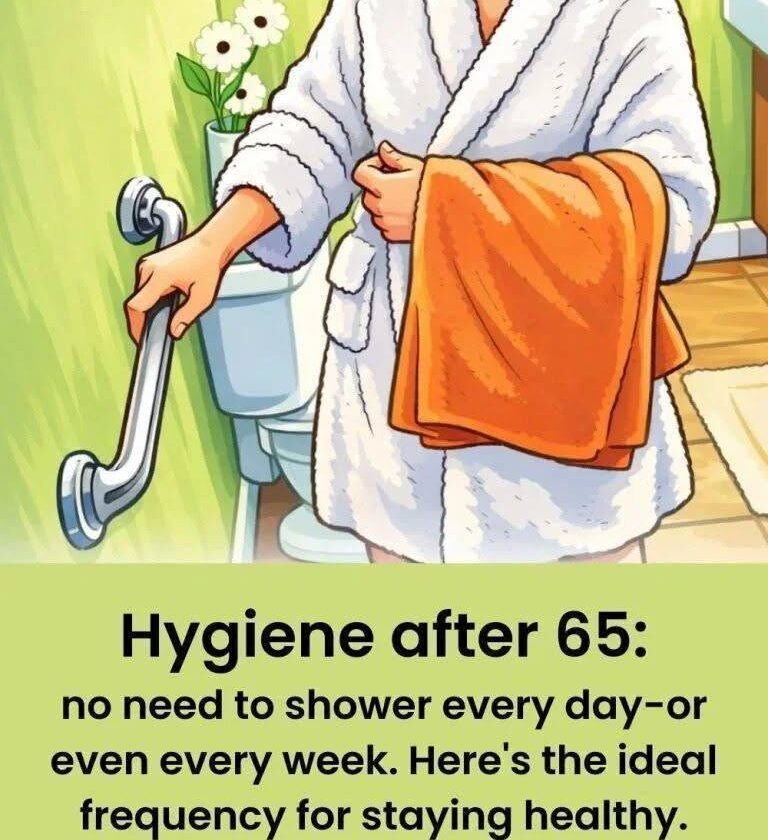
The claim “Daily showers after 65 may do more harm than good” is an oversimplification. There isn’t a general medical recommendation that everyone over 65 should stop showering daily. However, there are reasons why some older adults may benefit from showering less frequently.
As people age:
- The skin produces less natural oil (sebum).
- The outer layer of the skin becomes thinner and holds less moisture.
- The skin barrier becomes more fragile.
Daily showers—especially if they’re long and hot—can strip away natural oils, leading to:
- Dry, itchy skin.
- Cracking, which can increase the risk of skin infections.
- Worsening of conditions such as eczema.
For many healthy older adults, experts suggest:
- Showering every 2–3 days may be enough, unless they’re sweaty, have been exercising, or are otherwise dirty.
- Using warm rather than hot water.
- Keeping showers to 5–10 minutes.
- Choosing a gentle, fragrance-free cleanser, especially on areas that need it (such as the underarms, groin, feet, and hands), rather than soaping the entire body every time.
- Applying a moisturiser within a few minutes after drying off to help lock in moisture.
That said, daily showering is still appropriate for many people if they prefer it or need it for comfort, work, exercise, or medical reasons. The key is to protect the skin by avoiding hot water, harsh soaps, and prolonged bathing.
If an older adult develops persistent dry skin, itching, rashes, or skin cracks despite these measures, it’s a good idea to discuss it with a healthcare professional, as other skin conditions or medical issues may need treatment.