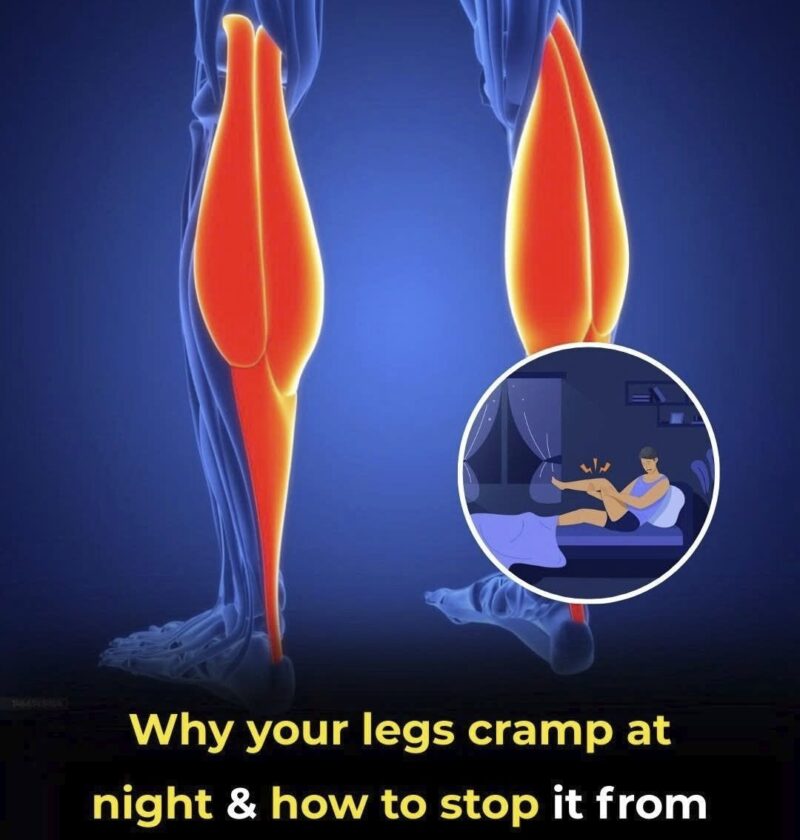
Why Do Leg Cramps Happen While Sleeping? Experts Explain the Common Reasons
Leg cramps during sleep—often called nocturnal leg cramps—are sudden, involuntary muscle contractions that commonly affect the calves, feet, or thighs. They can be painful enough to wake someone up, and they become more common as people get older.
Common reasons leg cramps happen at night
1. Muscle fatigue or overuse
- Strenuous exercise, long periods of standing, or increased activity can leave muscles more likely to spasm at night.
- Tired muscles may contract more easily and relax less effectively.
2. Dehydration
- Losing fluids through sweating, illness, or not drinking enough water may contribute to muscle irritability.
- Staying hydrated throughout the day supports normal muscle function.
3. Changes in muscle and nerve function with age
- As people age, muscles may lose flexibility and nerves that control muscle movement may become less responsive, increasing the chance of cramps.
4. Sleeping position
- Some positions keep the feet pointed downward, shortening the calf muscles for long periods.
- This may trigger a sudden tightening or spasm.
5. Mineral or electrolyte issues
- Low levels of certain minerals, including magnesium, potassium, or calcium, can affect muscle contraction.
- However, taking supplements is not always helpful unless a deficiency is confirmed.
6. Certain medications or medical conditions
Leg cramps can sometimes be associated with:
- Some blood pressure medications or diuretics.
- Nerve-related conditions.
- Circulation problems.
- Kidney or metabolic disorders.
How to reduce nighttime leg cramps
- Stretch your calves and legs gently before bed.
- Keep active with regular walking or strength exercises.
- Avoid sudden increases in exercise intensity.
- Drink enough fluids.
- Make sure your sleeping environment and footwear support comfortable movement.
What to do when a cramp strikes
- Gently stretch the affected muscle.
- Massage the area.
- For a calf cramp, straighten your leg and pull your toes toward your body.
- Apply warmth if it helps the muscle relax.
When to talk to a healthcare professional
Seek advice if cramps are:
- Frequent, severe, or worsening.
- Associated with swelling, weakness, numbness, or changes in skin color.
- Affecting sleep regularly.
- New after starting a medication.
Occasional nighttime leg cramps are common, but repeated episodes may be worth discussing with a healthcare professional to look for possible causes.