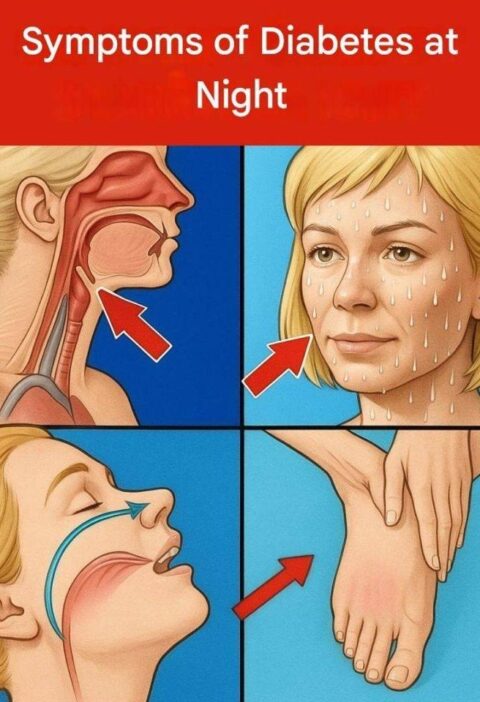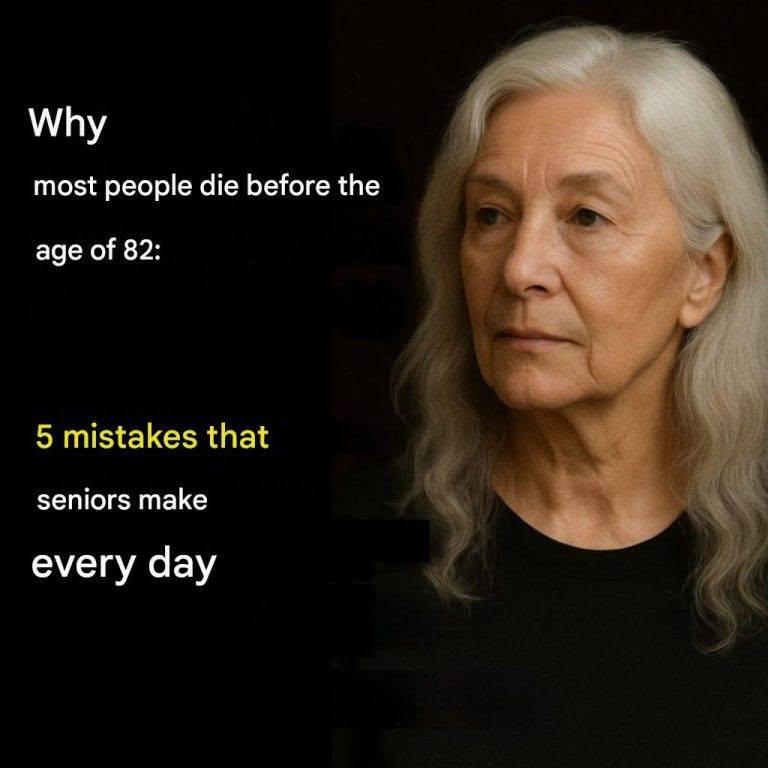
That headline is sensationalized and misleading. Most people don’t “die because of 5 daily mistakes” or a fixed age like 82. Lifespan is influenced by genetics, long-term habits, healthcare access, and chronic diseases—not a few dramatic daily errors.
That said, there are common long-term lifestyle patterns that increase the risk of serious illness in older adults. Here are 5 real, evidence-based mistakes that can shorten healthy lifespan:
1. Physical inactivity
Staying sedentary for long periods weakens almost every body system.
What it leads to:
- Heart disease and Stroke
- Muscle loss (sarcopenia)
- Poor balance and higher fall risk
What helps:
- Daily walking or light exercise
- Simple strength training (even chair exercises)
- Breaking up long sitting periods
2. Poor diet (low protein, high processed food)
Nutrition strongly affects aging and disease risk.
Common problems:
- Too little protein → muscle loss
- Too much sugar/salt → heart and kidney strain
- Low fiber → digestive issues
What helps:
- Balanced meals with protein, vegetables, and healthy fats
- Reducing ultra-processed foods
- Adequate hydration
3. Ignoring early warning signs
Many serious conditions worsen because early symptoms are ignored.
Examples:
- Chest discomfort or shortness of breath
- Sudden weakness or confusion
- Unexplained weight loss
Delaying care can turn treatable issues into emergencies like Myocardial infarction.
4. Poor management of chronic conditions
Conditions like diabetes, hypertension, and cholesterol often progress silently.
Risks:
- Kidney damage
- Heart disease
- Vision loss
- Vascular complications
What helps:
- Regular check-ups
- Medication adherence
- Monitoring blood pressure and sugar
5. Social isolation and cognitive inactivity
Loneliness is a serious health risk, not just an emotional issue.
Effects:
- Higher risk of depression
- Faster cognitive decline
- Increased mortality risk in older adults
What helps:
- Staying socially connected
- Mental stimulation (reading, hobbies, learning)
- Group activities or community engagement
Key reality check
No single set of “mistakes” determines lifespan. Aging outcomes come from decades of habits, not a few daily actions. Many people live well beyond 82 with good quality of life when health risks are managed.
If you want, I can rewrite this as a simple “longevity checklist for seniors” or focus on how to stay healthy after 60 in practical steps.