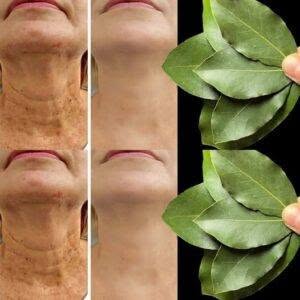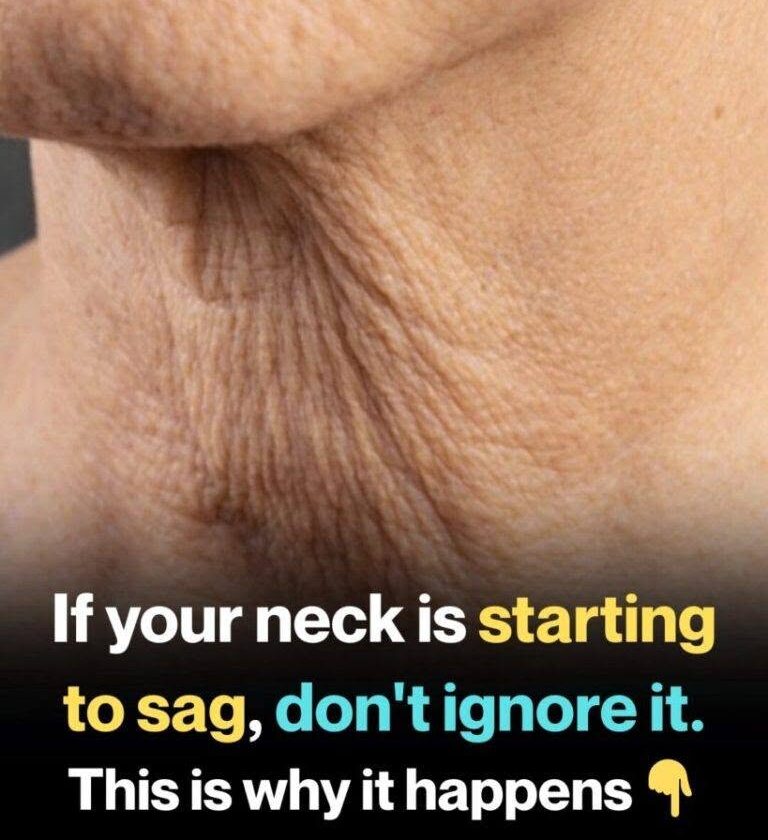
Why neck skin sags
1. Loss of collagen and elastin
Collagen provides strength, while elastin helps skin stretch and return to its original shape. Production of both declines with age, making skin thinner and less firm.
2. Gravity
Over many years, gravity contributes to the gradual downward movement of skin and soft tissues.
3. Sun exposure
Ultraviolet (UV) radiation breaks down collagen and elastin, accelerating skin aging. The neck is often exposed to the sun but overlooked when applying sunscreen.
4. Muscle and fat changes
Changes in the underlying neck muscles and shifts in fat distribution can make sagging more noticeable.
5. Genetics
Some people are naturally more prone to developing loose skin earlier than others.
6. Smoking and other lifestyle factors
Smoking, poor nutrition, chronic sun exposure, and significant weight fluctuations can all contribute to faster skin aging.
What you can do
- Use sunscreen daily on your neck as well as your face.
- Avoid smoking, which accelerates skin aging.
- Eat a balanced diet rich in protein, fruits, vegetables, and healthy fats to support skin health.
- Stay hydrated, although hydration alone won’t prevent sagging.
- Maintain a stable weight, as repeated large weight changes can affect skin elasticity.
- Use moisturizers to improve the skin’s appearance. Products containing ingredients such as retinoids or peptides may offer modest improvements in fine lines and texture over time.
Do neck exercises help?
Exercises can strengthen the neck muscles, which may improve muscle tone, but there is limited evidence that they significantly tighten loose skin.
Medical treatments
If sagging is a major concern, a dermatologist or plastic surgeon may discuss options such as:
- Prescription topical retinoids
- Energy-based treatments (such as radiofrequency or ultrasound)
- Laser resurfacing
- Injectable treatments for selected concerns
- Surgical neck lift for more pronounced sagging
The most appropriate option depends on your skin, goals, and overall health.
Bottom line
Neck skin sagging is a normal part of aging, driven primarily by loss of collagen and elastin, sun exposure, gravity, and genetic factors. While no cream can completely reverse it, protecting your skin from the sun, avoiding smoking, and maintaining healthy lifestyle habits can help slow the process. For more noticeable changes, medical treatments may provide additional improvement.