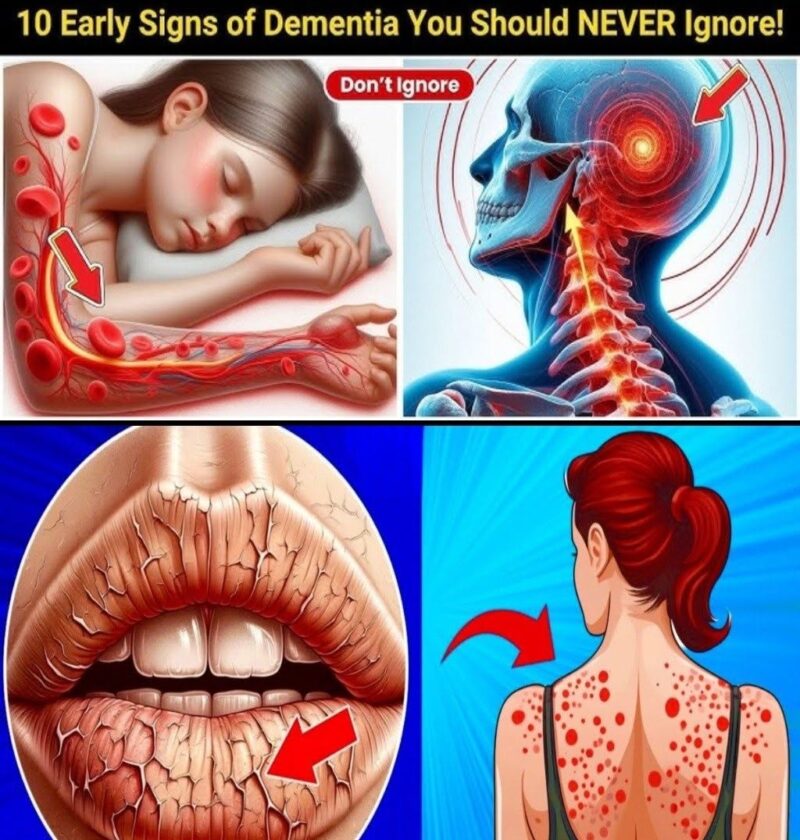
If you’re asking about warning signs of dementia, these are some early changes that are worth discussing with a healthcare professional—especially if they are new, getting worse, or affecting daily life.
10 Early Signs of Dementia You Should Never Ignore
- Memory loss that disrupts daily life
- Forgetting recent conversations, appointments, or events repeatedly.
- Relying increasingly on notes or others to remember things.
- Difficulty performing familiar tasks
- Trouble completing routines that were once easy, such as cooking a familiar recipe, managing bills, or using common devices.
- Problems with planning or problem-solving
- Difficulty following steps, making decisions, handling finances, or organizing tasks.
- Confusion about time or place
- Losing track of dates, seasons, or locations.
- Becoming disoriented in familiar surroundings.
- Changes in language and communication
- Trouble finding the right words, following conversations, or repeating the same questions.
- Misplacing things and being unable to retrace steps
- Putting objects in unusual places and being unable to figure out where they went.
- Decline in judgment or decision-making
- Unusual financial choices, reduced awareness of safety risks, or changes in personal care.
- Withdrawal from social activities
- Losing interest in hobbies, work, family gatherings, or activities previously enjoyed.
- Changes in mood, personality, or behavior
- Increased anxiety, irritability, suspicion, apathy, or noticeable personality changes.
- Difficulty with visual or spatial understanding
- Problems judging distances, recognizing objects, navigating spaces, or reading.
When to seek help
Occasional forgetfulness can happen with normal aging, stress, poor sleep, medications, or other health conditions. However, persistent or worsening changes that interfere with everyday activities should be evaluated. A healthcare professional can check for causes that may be treatable and assess memory and thinking abilities.
If you’d like, I can also provide a “normal aging vs. early dementia” comparison chart or a short checklist for family members to watch for.