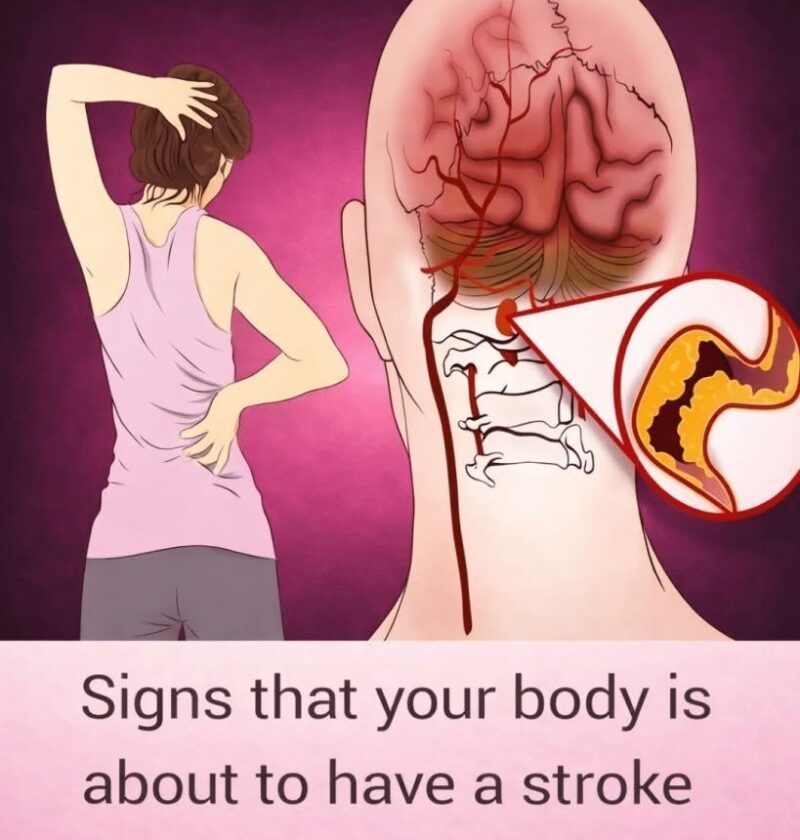
A stroke is a medical emergency. Recognizing symptoms quickly and seeking immediate treatment can significantly improve outcomes.
The most common warning signs include:
1. Sudden weakness or numbness on one side of the body
This may affect the face, arm, or leg, especially on just one side.
2. Facial drooping
One side of the face may droop or feel numb. A smile may appear uneven.
3. Difficulty speaking
Speech may become slurred, confused, or difficult to understand.
4. Trouble understanding speech
A person may have difficulty comprehending what others are saying.
5. Sudden vision changes
Blurred vision, double vision, or loss of vision in one or both eyes can occur.
6. Severe headache
A sudden, intense headache—especially one unlike previous headaches—can be a sign of stroke, particularly certain types of stroke.
7. Dizziness or loss of balance
Difficulty walking, loss of coordination, or unexplained dizziness may occur.
8. Confusion
Sudden confusion or altered mental status can be a warning sign.
9. Difficulty swallowing
Some strokes can affect the muscles involved in swallowing.
10. Sudden unexplained fatigue or weakness
Although less specific, a sudden marked change in strength or energy can accompany other stroke symptoms.
Remember FAST
A widely used stroke recognition tool is FAST:
- Face drooping
- Arm weakness
- Speech difficulty
- Time to call emergency services
Act immediately
If you suspect a stroke, seek emergency medical care right away. Do not wait to see if symptoms improve. Some treatments are most effective when given within hours of symptom onset.
The two main types are Ischemic Stroke and Hemorrhagic Stroke, and prompt evaluation is critical because the treatments differ.
If you’re concerned about stroke risk factors (high blood pressure, diabetes, smoking, atrial fibrillation, etc.), I can explain ways to reduce