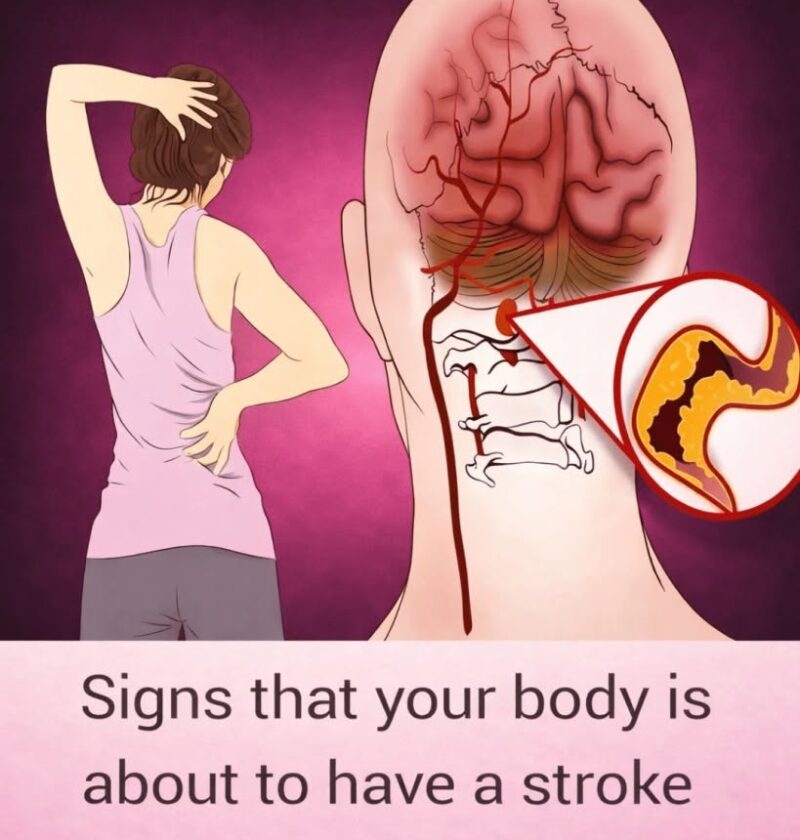
A stroke happens when blood flow to the brain is blocked or a blood vessel bursts. Recognizing symptoms quickly can prevent disability or save a life.
Most important stroke warning signs
These are the classic, medically recognized signs of a stroke:
- Sudden face drooping on one side
- Sudden arm or leg weakness or numbness, usually on one side
- Sudden speech difficulty (slurred speech or trouble understanding)
- Sudden vision problems in one or both eyes
- Sudden loss of balance, dizziness, or trouble walking
- Sudden severe headache with no clear cause (more common in bleeding strokes)
These are often remembered with FAST:
- Face drooping
- Arm weakness
- Speech difficulty
- Time to call emergency help immediately
“Mini-stroke” warning
Sometimes symptoms appear briefly and then disappear. This may be a Transient Ischemic Attack (often called a mini-stroke).
Even if symptoms go away, it is a serious warning sign because the risk of a full stroke is highest in the hours or days afterward.
Important reality check
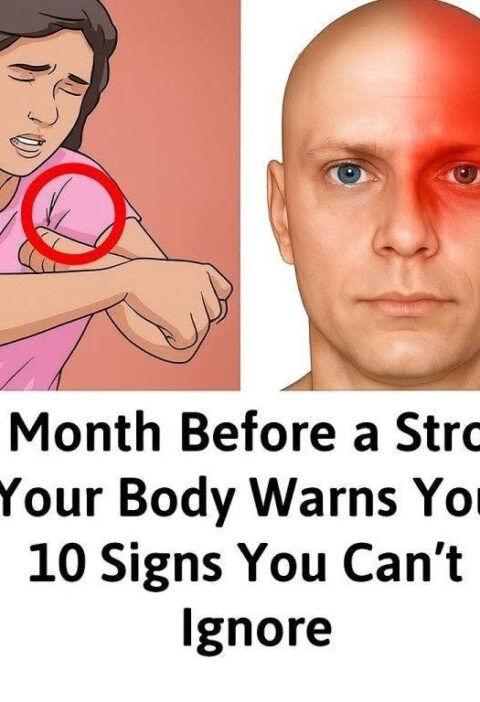
Lists that claim “10 early warning signs days or weeks before a stroke” often include vague symptoms like fatigue, sleep problems, or mild headaches. These are not reliable predictors of stroke and can be caused by many unrelated conditions.
When to act immediately
Call emergency services right away if someone has:
- Any sudden weakness or numbness on one side
- Sudden trouble speaking or understanding
- Sudden facial droop
- Sudden vision loss or severe imbalance
Even if symptoms improve, don’t wait or self-monitor.
Bottom line
Stroke warning signs are usually sudden and obvious, not subtle long-term signals. Quick action is critical—treatment works best in the first hours.