Yes — there is a widely reported safety warning for common painkillers like ibuprofen, naproxen, and aspirin, but it’s not a new “ban.” It’s a reminder from health regulators about serious but known risks, especially with higher doses or long-term use.
These drugs belong to a group called NSAIDs (non-steroidal anti-inflammatory drugs) — including Ibuprofen, Naproxen, and Aspirin.
What the warnings are about
Health agencies (like the FDA and NHS-style regulators) consistently warn that NSAIDs can cause serious side effects, even though they’re widely used:
1) Stomach and intestinal bleeding (most important warning)
- Ulcers or bleeding in the stomach or gut
- Can cause black stools, vomiting blood, or severe abdominal pain (U.S. Food and Drug Administration)
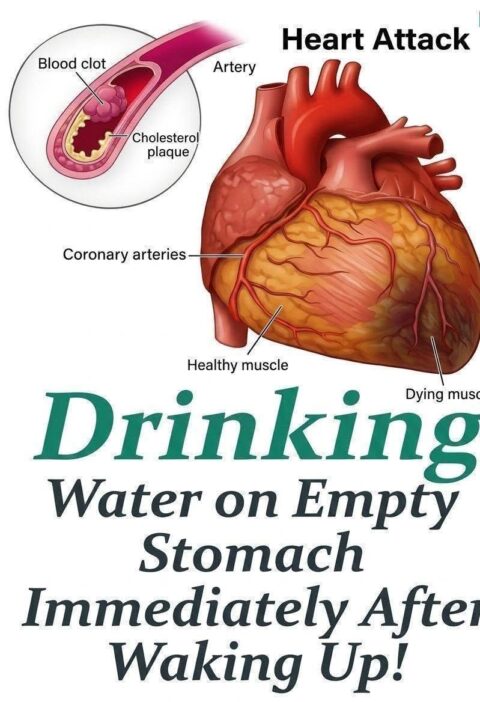
2) Heart attack and stroke risk
- Higher risk with higher doses or long-term use
- Risk applies more to ibuprofen and naproxen than aspirin in low doses (U.S. Food and Drug Administration)
3) Kidney damage
- Reduced blood flow to kidneys, especially in dehydration or older age
4) Allergic reactions (rare but serious)
- Swelling, wheezing, rash, or anaphylaxis (U.S. Food and Drug Administration)
Who is most at risk
- People over 60
- Those with ulcers or past stomach bleeding
- People taking blood thinners or steroids
- Heavy alcohol use
- Long-term or high-dose users
Important reality check
These warnings don’t mean:
- you should panic after one or two tablets
- or that these medicines are “unsafe” in general
They mean:
They are safe when used correctly, but risky when overused or used long-term without medical guidance.
When to seek urgent help
Stop the medicine and get medical help if you notice:
- black/tarry stools
- vomiting blood
- severe stomach pain
- chest pain or sudden weakness
If you want, tell me which one you’re using and for what (headache, fever, joint pain, etc.), and I can help you figure out the safest way to take it or alternatives.