10 Indicators of Blocked Arteries You Shouldn’t Ignore
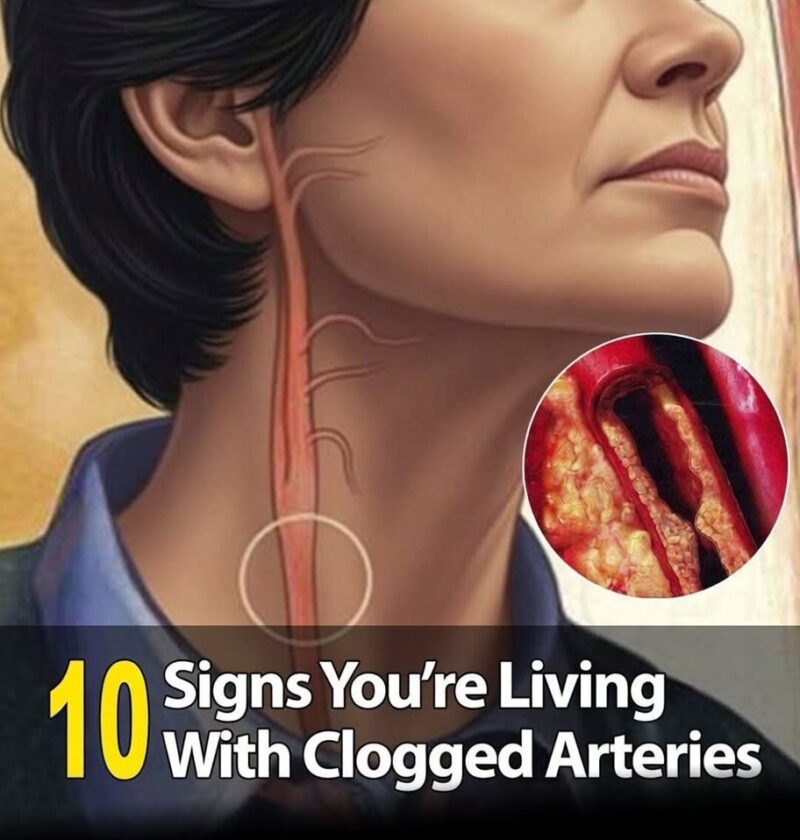
Blocked or narrowed arteries develop when fatty deposits, known as plaque, build up inside blood vessels. This process, called atherosclerosis, can reduce blood flow to the heart, brain, and other parts of the body. In its early stages, it may cause no symptoms, but as the blockage worsens, warning signs can appear.
These symptoms do not always mean you have blocked arteries, but they should not be ignored—especially if you have risk factors such as smoking, high blood pressure, high cholesterol, diabetes, or a family history of heart disease.
1. Chest Pain (Angina)
A feeling of pressure, tightness, squeezing, or pain in the chest may occur when the heart muscle does not receive enough oxygen-rich blood. The discomfort may spread to the shoulders, arms, neck, jaw, or back.
2. Shortness of Breath
Feeling unusually breathless during everyday activities or while resting can occur when the heart cannot pump blood efficiently.
3. Pain in the Legs While Walking
Pain, cramping, or fatigue in the calves, thighs, or hips that improves with rest may be a sign of reduced blood flow to the legs.
4. Numbness or Weakness
Sudden numbness or weakness, particularly on one side of the body, may indicate reduced blood flow to the brain and requires immediate medical attention.
5. Dizziness or Fainting
Frequent dizziness, lightheadedness, or fainting can have many causes, including problems affecting blood flow.
6. Cold Feet or Poor Wound Healing
Reduced circulation may cause feet to feel cold or lead to cuts and sores that heal slowly.
7. Fatigue
Persistent, unexplained fatigue—especially when accompanied by other symptoms—can sometimes be associated with heart disease.
8. Erectile Dysfunction
In some men, erectile dysfunction may be an early sign of reduced blood flow caused by narrowing of the arteries.
9. Jaw, Neck, Shoulder, or Arm Pain
Heart-related pain is not always felt in the chest. Some people, particularly women, may experience discomfort in the jaw, neck, shoulders, arms, or upper back.
10. Sudden Vision or Speech Problems
Temporary loss of vision, slurred speech, or difficulty speaking may signal reduced blood flow to the brain and should be treated as a medical emergency.
When to Seek Emergency Care
Call your local emergency services immediately if you experience:
- Chest pain lasting more than a few minutes or recurring with rest.
- Sudden weakness or numbness on one side of the body.
- Difficulty speaking or understanding speech.
- Sudden vision loss.
- Severe shortness of breath or fainting.
Reducing Your Risk
Healthy lifestyle habits can help lower the risk of artery disease:
- Eat a balanced diet rich in fruits, vegetables, whole grains, and lean proteins.
- Exercise regularly, as recommended by your healthcare provider.
- Avoid smoking and exposure to tobacco smoke.
- Maintain a healthy weight.
- Manage blood pressure, cholesterol, and blood sugar.
- Attend regular health checkups, especially if you have risk factors.
Final Thoughts
Blocked arteries often develop gradually, and many people have no symptoms until the disease becomes advanced. Recognizing possible warning signs and seeking timely medical evaluation can help detect problems early and reduce the risk of serious complications such as a heart attack or stroke.