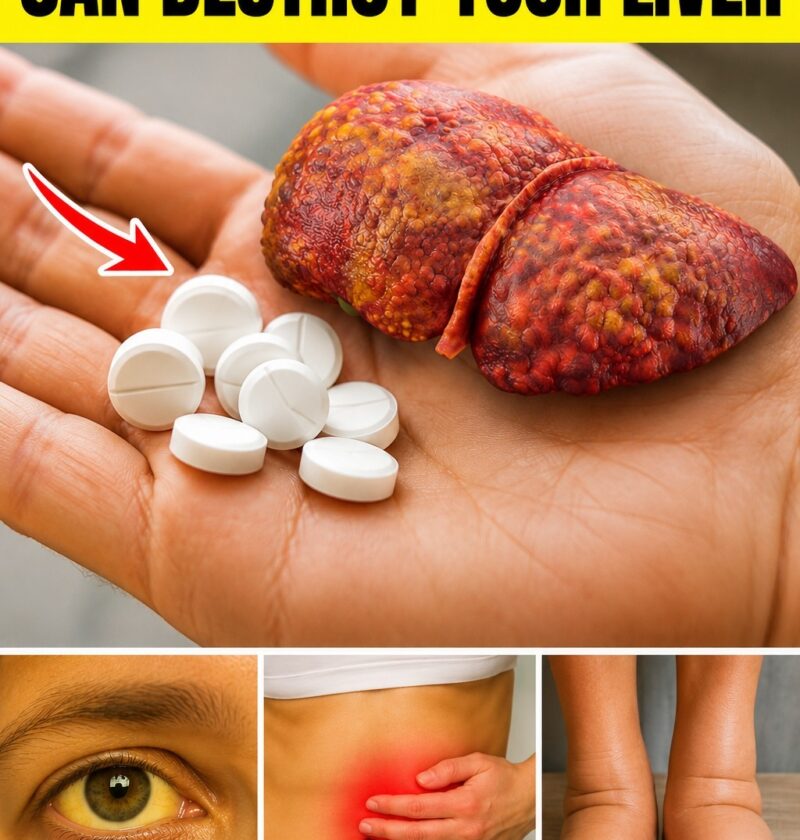
That headline is broadly based on something real—but it’s usually presented in a sensational, oversimplified way. Yes, some medications can affect the liver, but the risk depends on the dose, duration, individual health, alcohol use, and drug interactions, not just the drug name alone.
The liver is the main organ that processes most medicines, so drug-induced liver injury (DILI) is a known but relatively uncommon risk.
Common medications that can affect the liver (when misused or in some people)
Here are well-known examples doctors monitor:
- Paracetamol (Acetaminophen)
- One of the most common causes of liver toxicity when overdosed
- Safe at correct doses, dangerous in excess or combined with alcohol
- Amoxicillin-clavulanate
- Antibiotic combination that can rarely cause liver inflammation
- Isoniazid
- Used for tuberculosis treatment; requires liver monitoring
- Rifampicin
- Another TB drug that can affect liver enzymes
- Valproic acid
- Used for epilepsy and mood disorders; known liver risk in some cases
- Methotrexate
- Used for autoimmune diseases; long-term use may affect liver
- Statins
- Cholesterol-lowering drugs; mild enzyme changes are sometimes seen but serious damage is rare
- Amiodarone
- Heart rhythm medication that can accumulate in liver tissue
- Ketoconazole
- Antifungal; oral form can be liver-toxic (less used now)
- Methyldopa
- Older blood pressure medicine; rarely affects liver
Important context
- Most people take these medications without liver damage
- Problems usually occur with:
- High doses
- Long-term use without monitoring
- Pre-existing liver disease
- Alcohol use
- Drug combinations
Red flags that need medical attention
- Yellowing of skin or eyes (jaundice)
- Dark urine
- Severe fatigue or nausea
- Upper right abdominal pain
Bottom line
The headline is half-true in concept but misleading in tone. It suggests a hidden danger list, while in reality these medications are widely used and considered safe when properly prescribed and monitored.
If you want, I can also list the medications that are safest for the liver or explain how doctors monitor liver health during treatment.