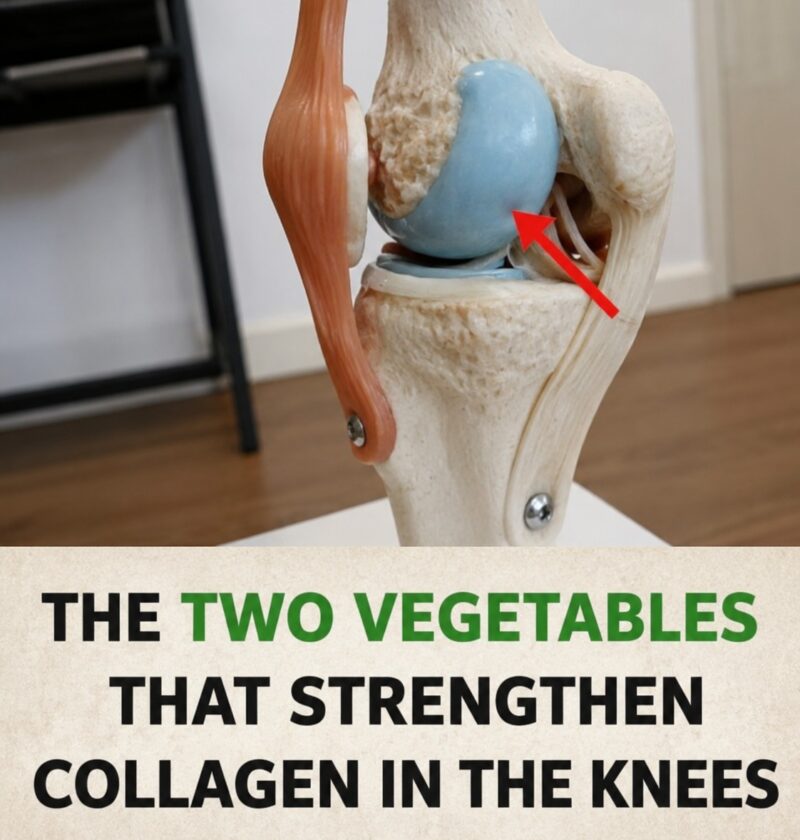
That headline is not medically reliable as stated. Phrases like “doctors are surprised” and “two vegetables that increase collagen in the knees” are typical clickbait and overstate what food can do.
What’s true (and what isn’t)
✔ Collagen in joints
- Your body produces collagen naturally using amino acids (from protein) plus nutrients like vitamin C, zinc, and copper.
- Eating vegetables does not directly “increase collagen in the knees” in a targeted way.
- No food can selectively rebuild knee cartilage like a repair injection.
✔ Diet and joint pain
Some foods can support joint health indirectly by reducing inflammation or providing nutrients.
Common examples often behind these claims:
- Leafy greens like spinach or kale
- Broccoli and other cruciferous vegetables
These contain:
- Vitamin C (supports collagen formation)
- Antioxidants (may reduce inflammation)
But they do not act like a painkiller or cartilage regenerator.
What actually helps joint pain (evidence-based)
If knee pain is the issue, research supports:
- Strength training
- Weight management (reduces knee load)
- Osteoarthritis management strategies
- Physical therapy
- Anti-inflammatory dietary patterns (Mediterranean-style diet)
- Medical treatments when needed (topical gels, injections in some cases)
Bottom line
Vegetables are good for overall health, but the idea that two specific vegetables “increase collagen in knees and relieve pain” is an exaggeration of normal nutrition science.
If you want, I can tell you the real best foods + supplements (if any) that actually have clinical evidence for joint pain relief.