Amlodipine is a widely used calcium channel blocker for high blood pressure and chest pain. Most people tolerate it well, but like all medicines, it can cause side effects—some mild, some serious.
The phrase “12 worst side effects you should NEVER ignore” is a bit sensational, but there are important warning signs worth knowing so you can act early if they appear.
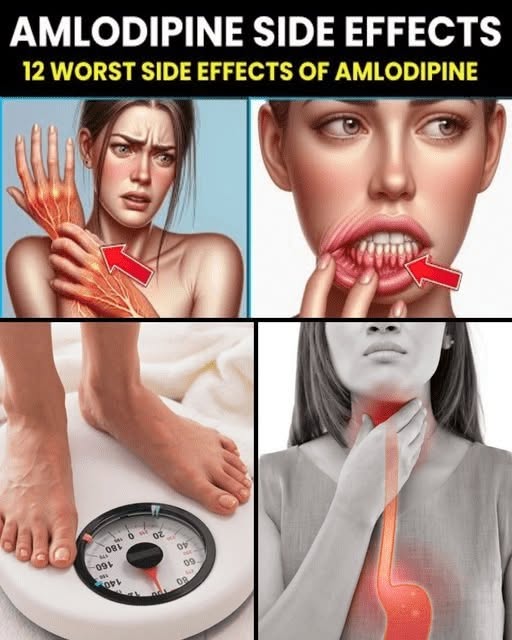
12 Important Side Effects of Amlodipine (Know When to Take It Seriously)
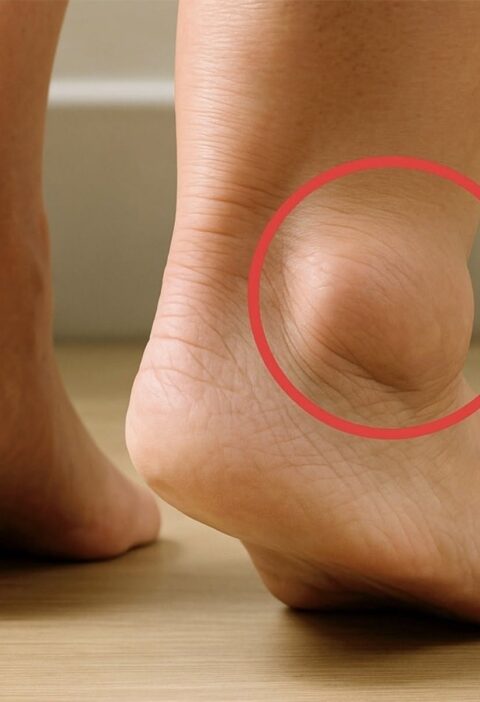
1. Severe swelling (edema)
- Especially in ankles, feet, or legs
- Can become painful or disabling
- Common with higher doses
2. Very low blood pressure (hypotension)
- Dizziness, fainting, weakness
- Risk increases if combined with other BP medicines
3. Fast or irregular heartbeat (palpitations)
- Feeling like heart is racing or skipping beats
- Needs evaluation if persistent
4. Chest pain worsening (angina flare)
- Rare, but can happen when starting or increasing dose
- Any new or worsening chest pain should be checked urgently
5. Severe dizziness or fainting
- Especially when standing up quickly
- May indicate blood pressure drop
6. Severe allergic reaction (rare)
- Rash, itching, swelling of face/lips/tongue
- Trouble breathing = emergency
- Can overlap with Angioedema
7. Liver problems (rare but serious)
- Yellowing of skin/eyes
- Dark urine, severe fatigue
- Suggests possible liver injury
8. Severe fatigue or weakness
- Can be mild normally, but extreme fatigue is a warning sign
9. Gum overgrowth
- Swollen or bleeding gums
- Known but uncommon long-term effect (called gingival hyperplasia)
10. Shortness of breath or fluid buildup
- Could suggest worsening heart function in sensitive patients
11. Severe flushing or heat sensation
- Common early side effect, but if intense or persistent, may indicate intolerance
12. Neurological symptoms (rare)
- Confusion, severe headache, or vision changes
- Often related to blood pressure changes
What’s actually MOST common (not dangerous)
Many people experience:
- Mild ankle swelling
- Flushing
- Mild dizziness
- Headache
These are usually manageable and not dangerous.
When to seek medical help immediately
Go urgently if you have:
- Chest pain that is new or worsening
- Fainting or severe dizziness
- Swelling of face/lips or breathing difficulty
- Very low blood pressure symptoms
- Yellow eyes/skin
Key takeaway
Amlodipine is generally safe and widely prescribed, but the main risk areas are:
- Excess blood pressure drop
- Swelling in legs
- Rare allergic or heart-related reactions
If you want, tell me your dose and symptoms—you can often tell from patterns whether what you’re experiencing is a normal side effect or something that needs a medication change.